

Explore teachings and notes that have been impactful to me and my spiritual journey over the years.
All of the blog posts approach reading the bible from a 1st century historical and culturally Jewish perspective as Jesus and his disciples would have, Learn more about this in the hermeneutics category posts.
Want to learn more about this perspective from other sources? Take a look at my own Academic Writings
Or my recommended Books/Commentaries, Podcast Resources, or additional Scholarly Journal Articles and Books.
Bible Blog Categories
Still Have Questions?
Try a custom curated GPT to help study and answer any lingering questions.

Unbiased Bible Study Partner. Study the plain text of the bible without denominational or traditional biases.

Study the bible how Jesus & his disciples would have understood it. From a first century historical and culturally jewish perspective.
-

Matthew 1-4: The Restoration Story Behind the Sermon
The Sermon on the Mount is one of Jesus’ most beloved teachings. It contains the Beatitudes, the Lord’s Prayer, the command to love our enemies, and many of the passages Christians know best. Yet these teachings are often read outside of the context of Jesus’ mission. In this…
-
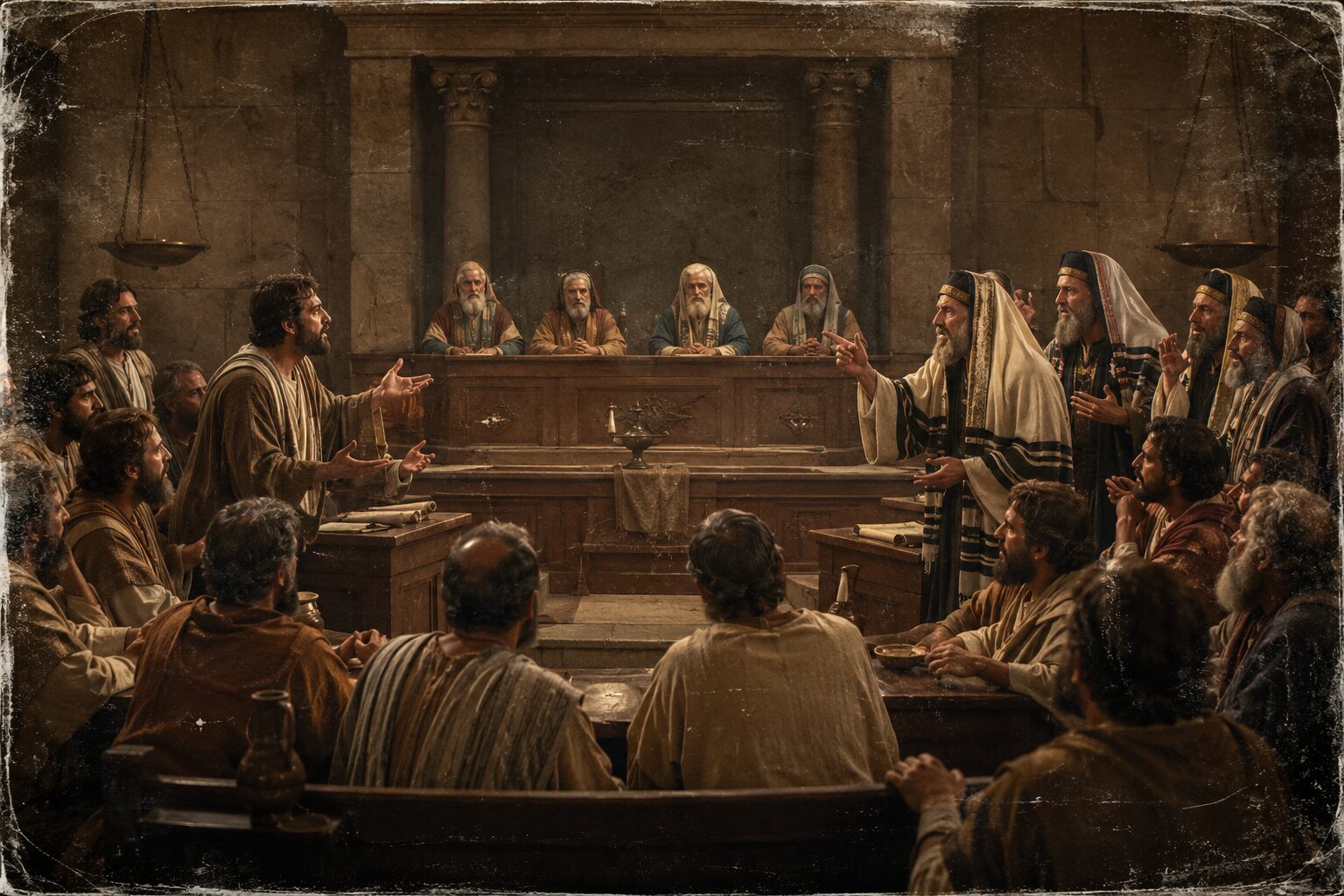
Acts 15: The Jerusalem Council Decision
An Exegetical Walkthrough of Acts 15:1–21 Few chapters in the New Testament have had a greater influence on Christian theology than Acts 15. The Jerusalem Council is often cited in discussions about salvation, circumcision, the Law of Moses, and the relationship between Jewish and Gentile believers. Yet before…
-
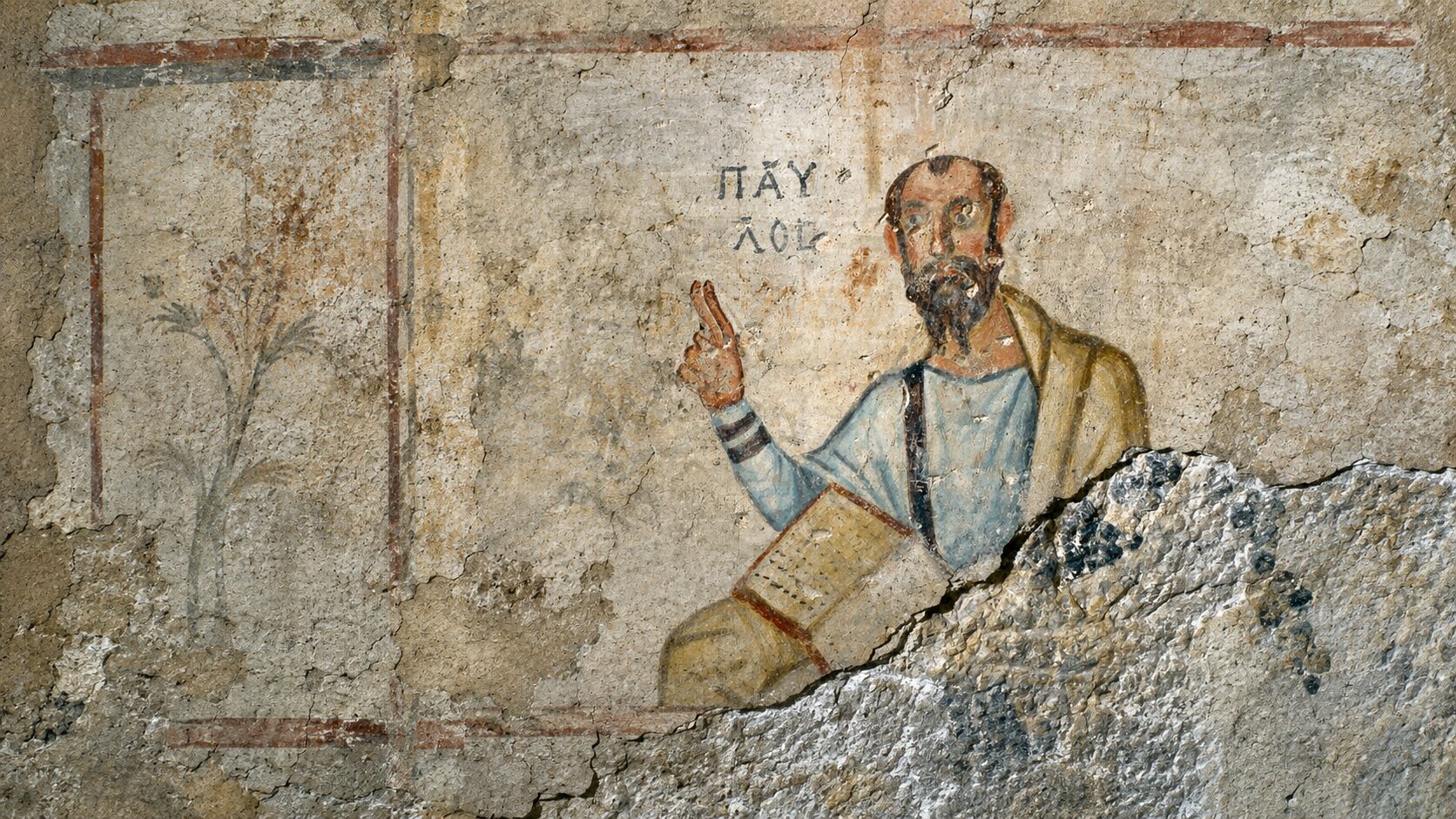
Paul the Jew and the Gentile Problem – Scholarly Review
The apostle Paul is one of the most familiar figures in Christian history, and that familiarity is part of the problem. Many readers already “know” Paul before they read him. He is often imagined as the former Jew (Saul) who left Judaism behind, the preacher of grace who…
-
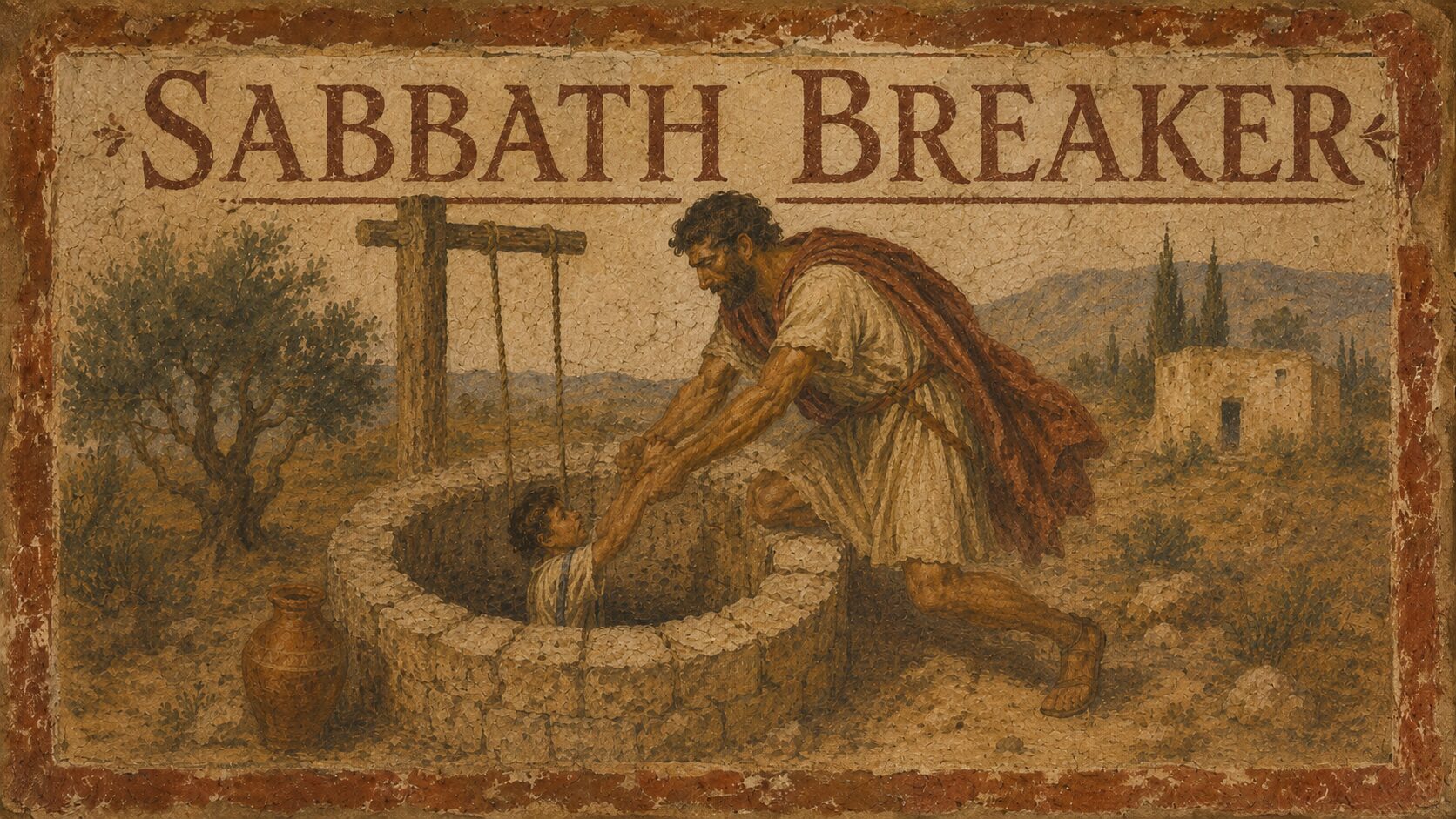
Sabbath Breaker
When reading through the Gospel accounts a reader is confronted with stories of other Jewish leaders (Pharisees and teachers of the law) challenging Jesus directly on his interpretation of Sabbath. Their challenge was that Jesus permitted His disciples, or performed Himself, actions they regarded as unlawful labor on…
-
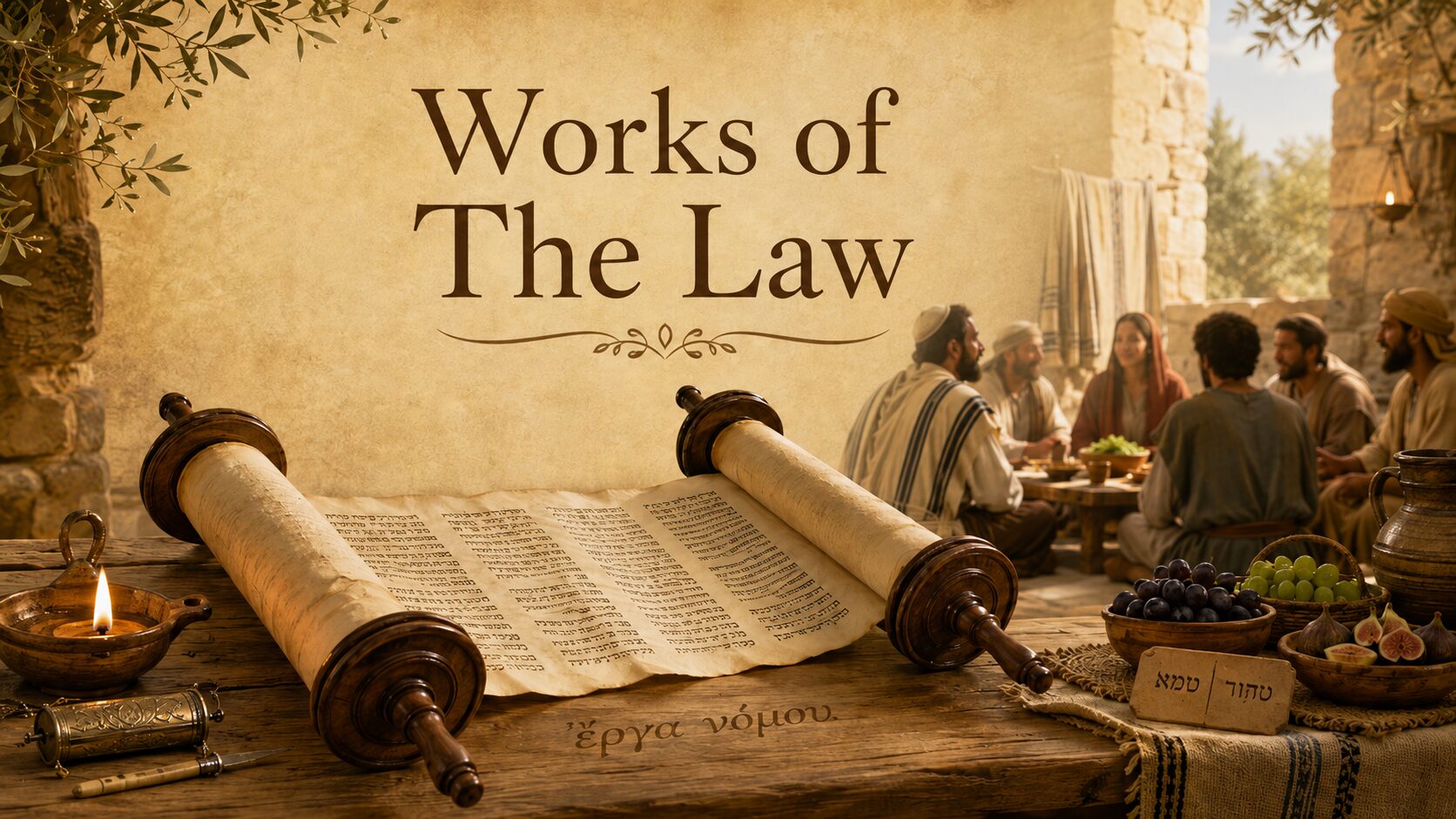
“Works of the Law”
For many readers, Paul’s phrase “works of the law” sounds like a general warning against trying to earn salvation by works. That concern is certainly biblical: no sinner can stand righteous before God by moral achievement (Rom 3:23–24; Eph 2:8–9; Titus 3:5). Yet when we read Paul in…
-
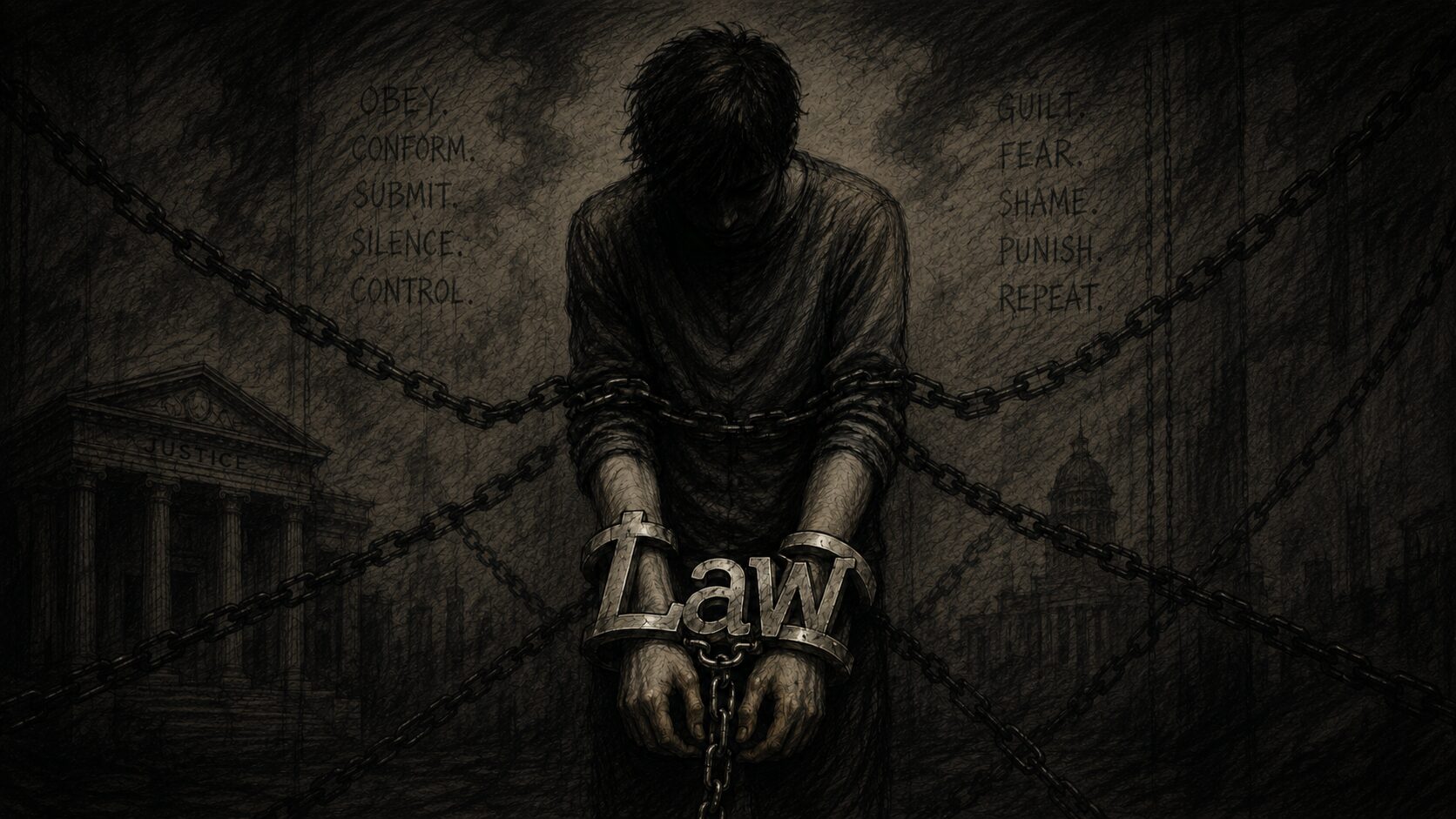
The Problem with The Law
What is the Problem? The Law, or Torah, is often disregarded in modern Christian thought. Many believers assume the Torah is incomplete, harsh, legalistic, or unable to reveal God’s true heart. Some even speak as though Jesus came to save us from the Law. But if that is…