
Category: Church History
-

Ad fontes means “to the sources.” It was one of the great cries of the Renaissance and Reformation. Humanists and Reformers believed that renewal required returning to the earliest witnesses rather than relying only on inherited interpretations. For the Reformers, this meant returning to Scripture in its original languages—Hebrew and Greek—so the church could hear…
-
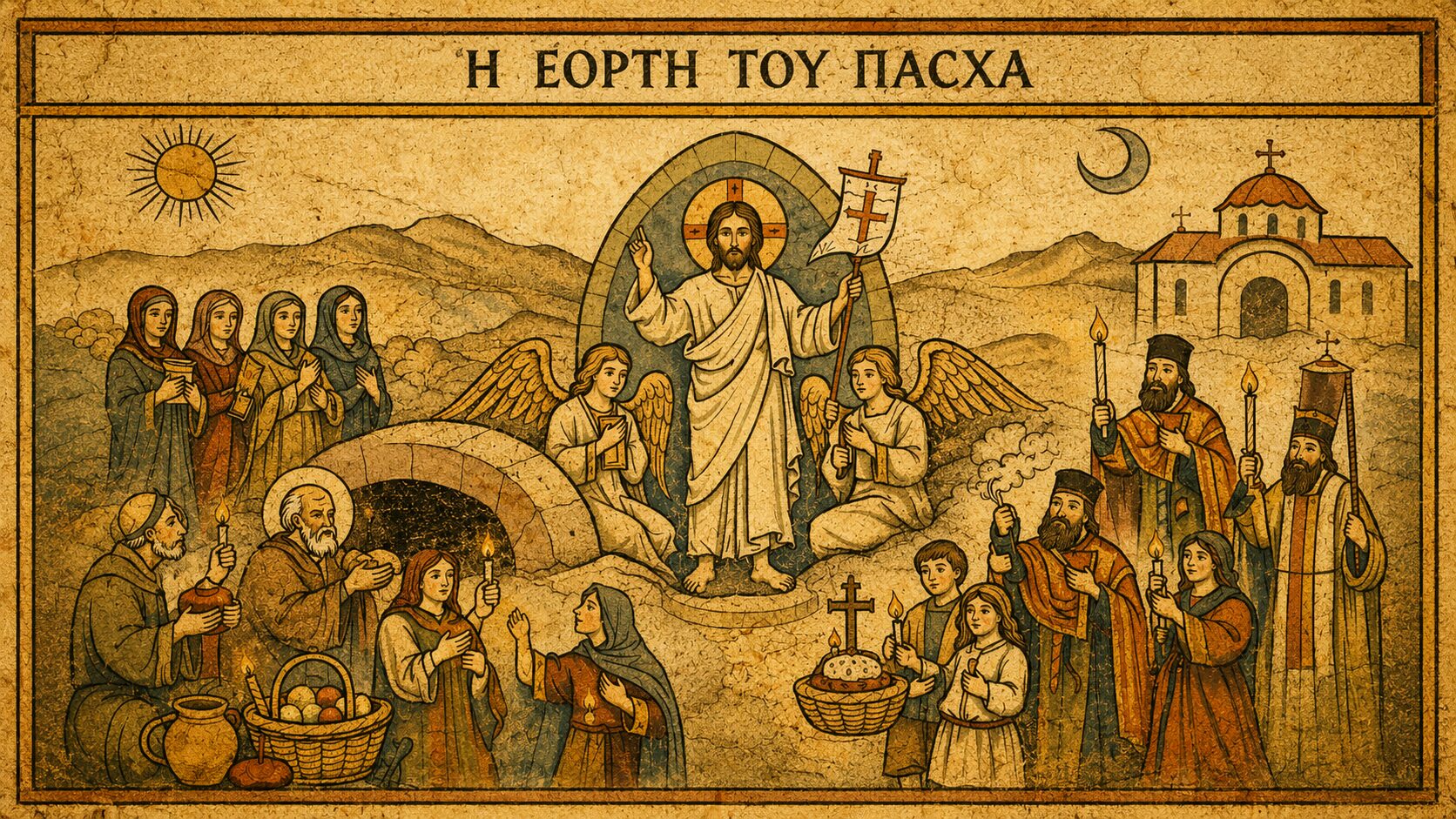
Pascha, Easter, and the Slow Separation of the Church from Israel Many Christians assume the split between the Church and the Jewish people happened early—almost immediately after Jesus. But history tells a much slower, more complicated story. In this article we will follow the development of Pascha—the early Christian observance of Jesus’ death and resurrection…
-
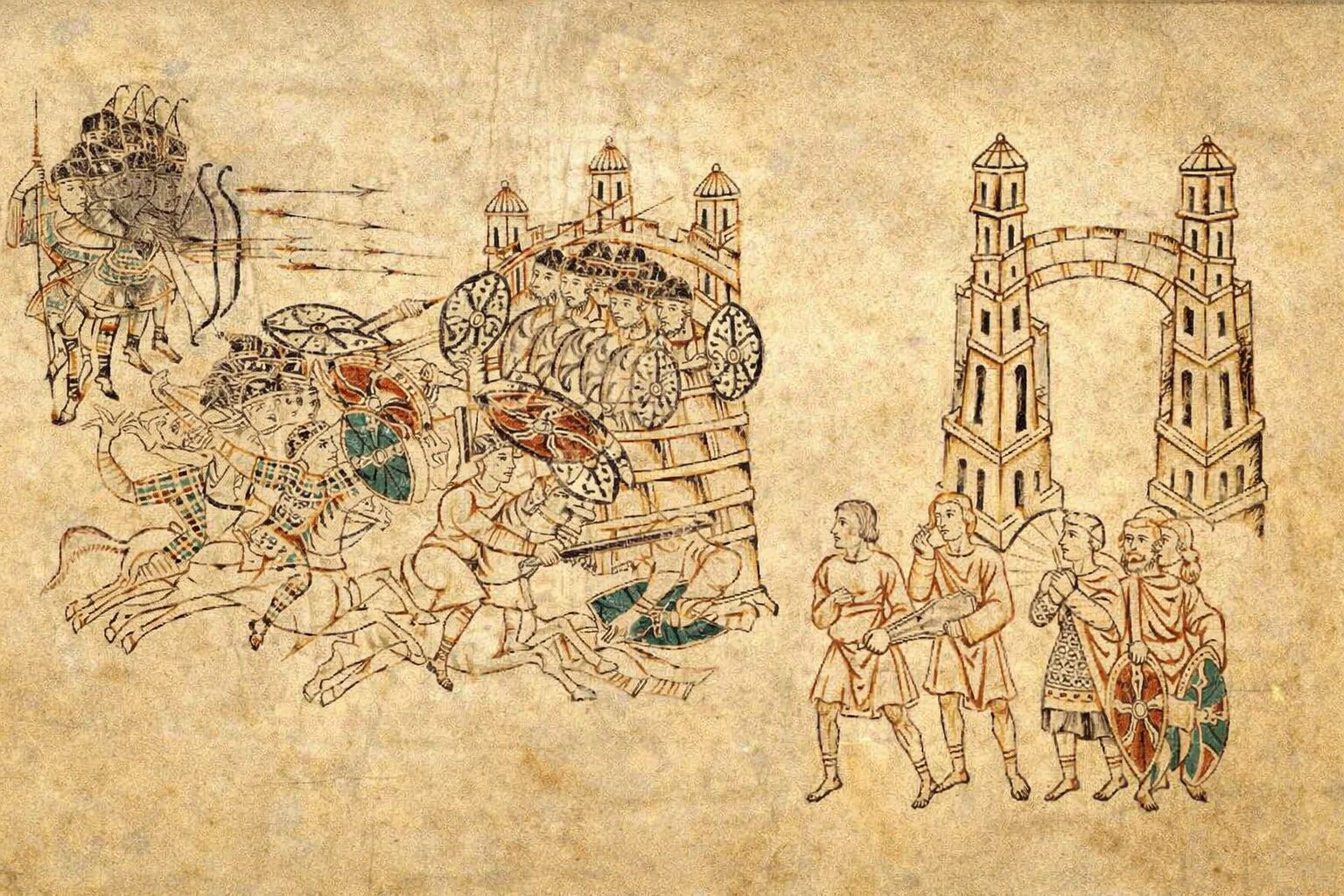
The Forgotten Bridge: Why 1 Maccabees Matters for Followers of Jesus If you’ve ever read your Bible straight through, you may have felt the silence between Malachi and Matthew. The story seems to pause, only to suddenly reopen in a world filled with Roman rule, Temple activity, and deep expectation for a coming Messiah. But…
-
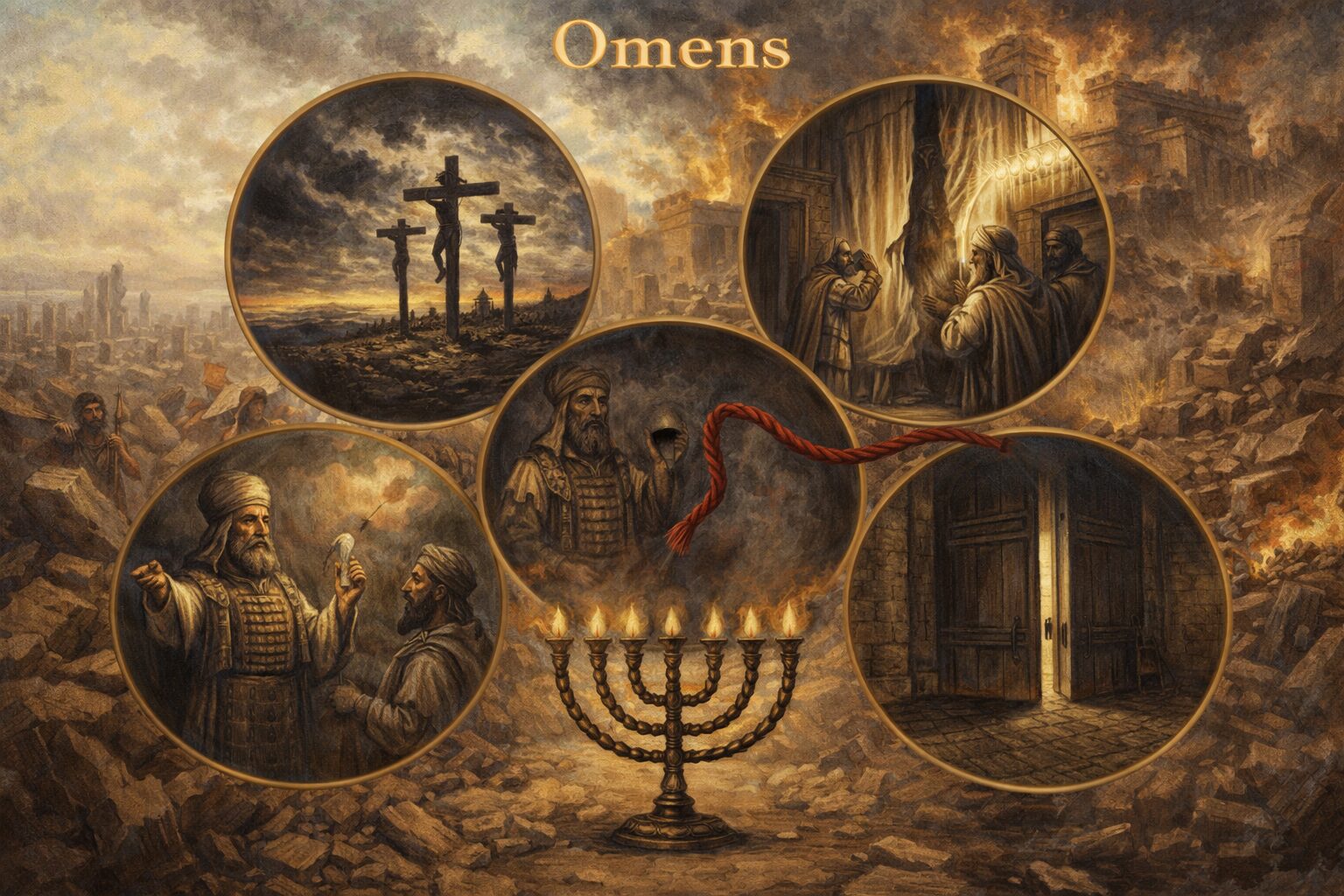
When Jesus declared, “There will not be left here one stone upon another that will not be thrown down” (Matthew 24:2), He was not speaking into a quiet or uneventful time, but into the active Second Temple Period. Both the Gospels and Jewish sources remember the years surrounding His death as the beginning of a…
-
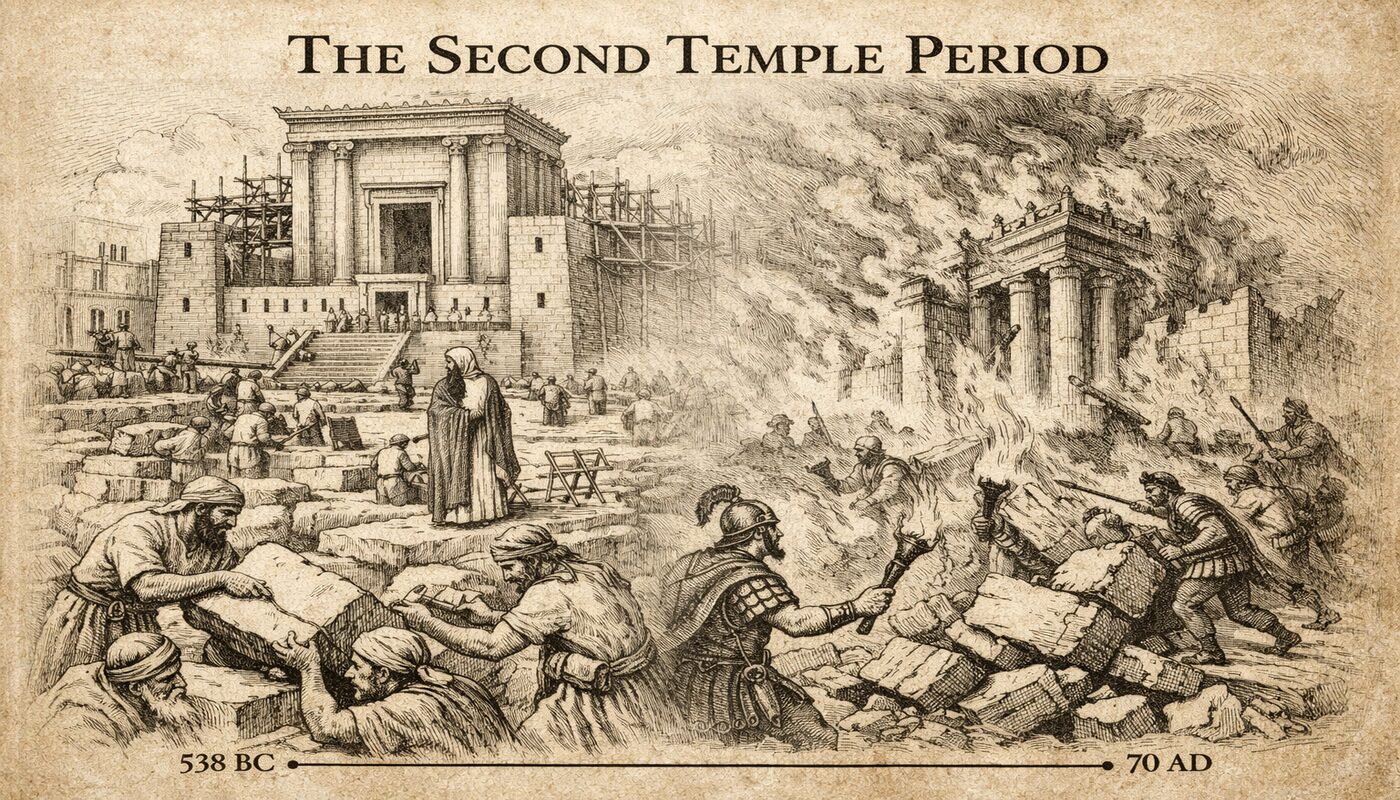
The Not So “Silent Years” When we open the pages of the New Testament, we step into a world already in motion—a world shaped by centuries of history, struggle, faithfulness, and expectation. That world is what scholars call the Second Temple Period, and without understanding it, many parts of Scripture can feel disconnected or confusing.…
-

The Twentieth Century and the Reopening of a Closed Door¹ For nearly seventeen centuries, Jewish faith in Yeshua existed under severe constraint. The structures established in late antiquity made it virtually impossible for a Jew to confess Yeshua without abandoning Jewish identity, community, and practice (Parting of The Ways). Against that long history, the twentieth…