
Category: Bible Hermeneutics
-
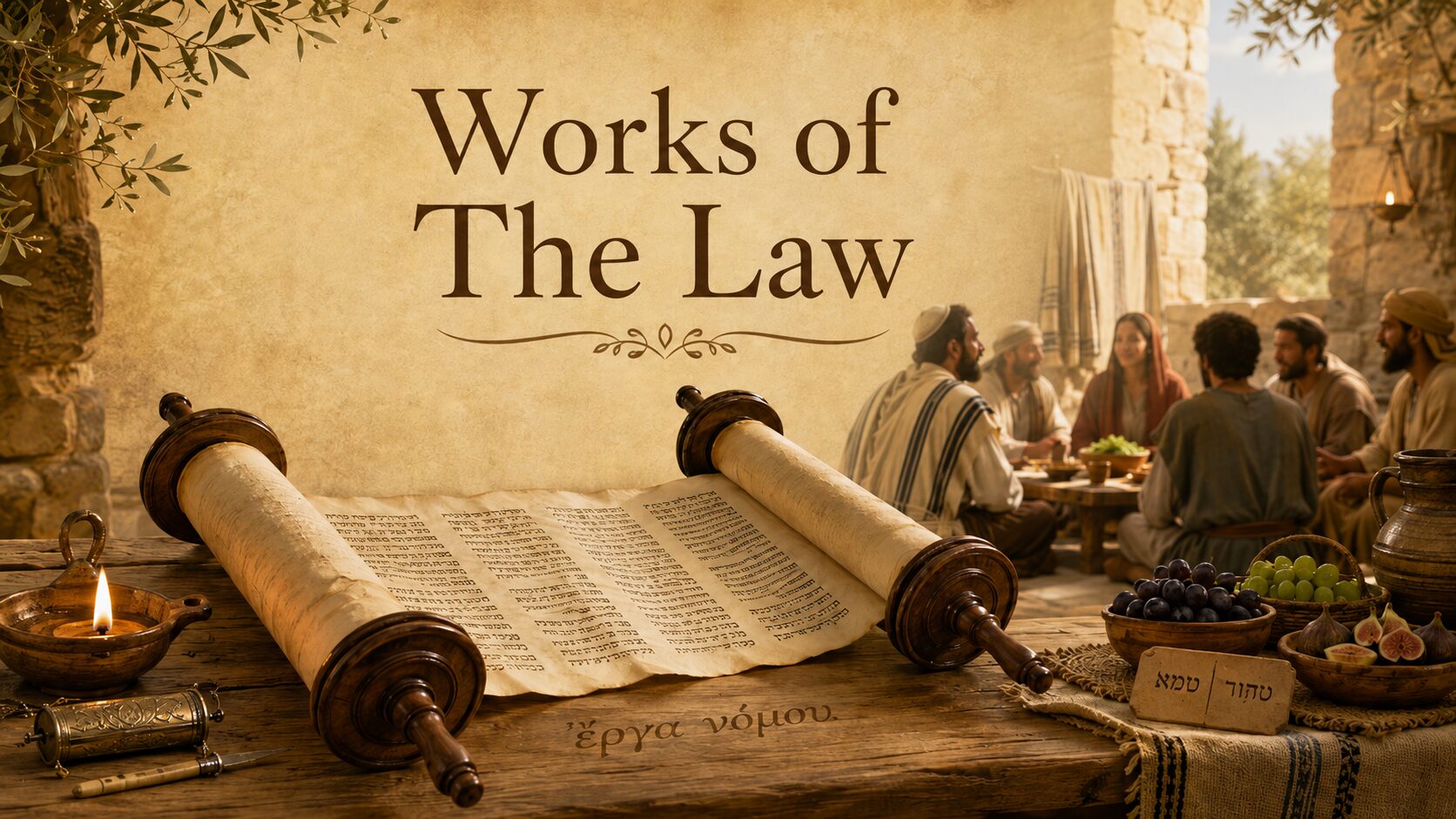
For many readers, Paul’s phrase “works of the law” sounds like a general warning against trying to earn salvation by works. That concern is certainly biblical: no sinner can stand righteous before God by moral achievement (Rom 3:23–24; Eph 2:8–9; Titus 3:5). Yet when we read Paul in his first-century Jewish context, the phrase “works…
-
What is the Problem? The Law, or Torah, is often disregarded in modern Christian thought. Many believers assume the Torah is incomplete, harsh, legalistic, or unable to reveal God’s true heart. Some even speak as though Jesus came to save us from the Law. But if that is true, what exactly was wrong with it?…
-
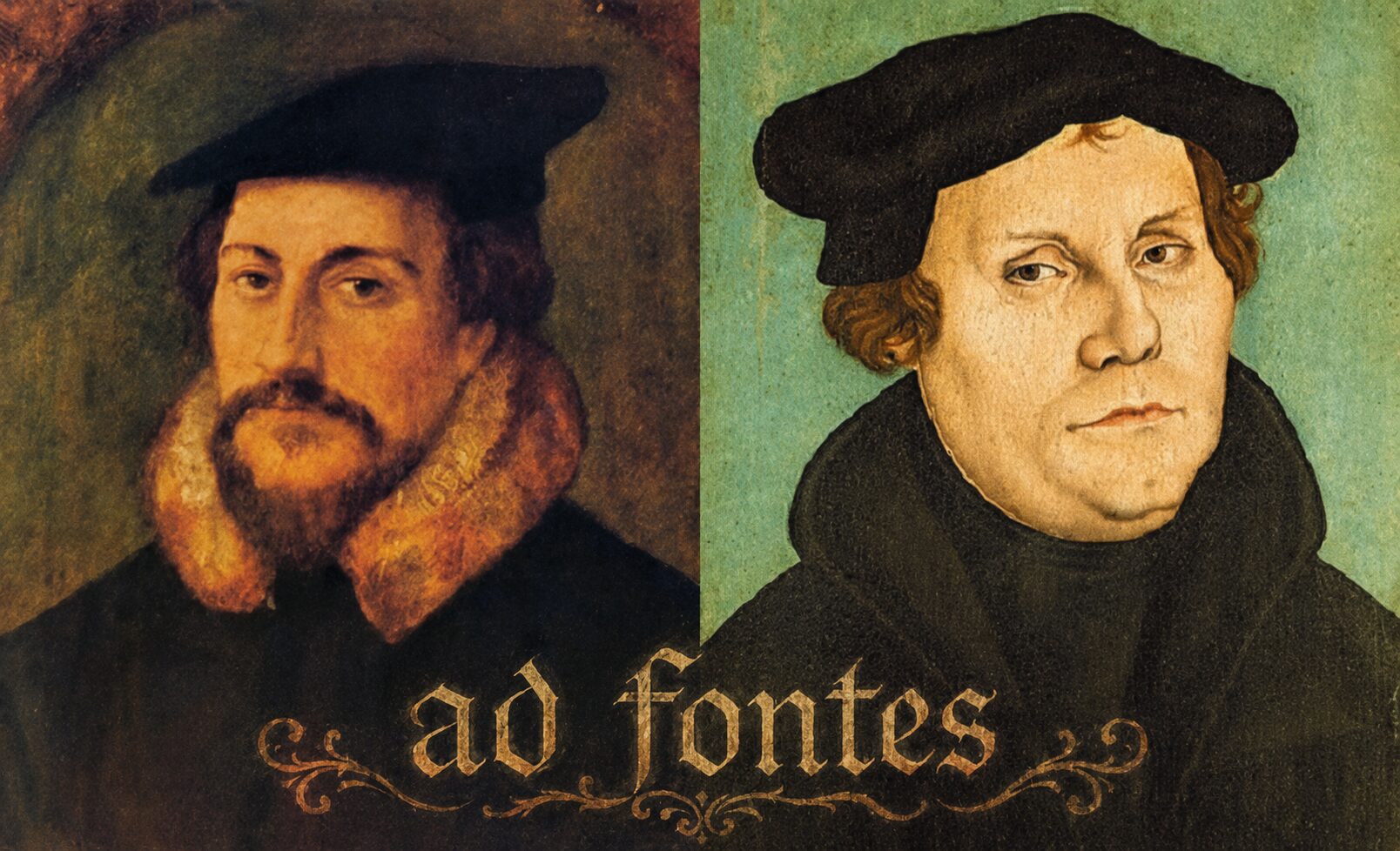
Ad fontes means “to the sources.” It was one of the great cries of the Renaissance and Reformation. Humanists and Reformers believed that renewal required returning to the earliest witnesses rather than relying only on inherited interpretations. For the Reformers, this meant returning to Scripture in its original languages—Hebrew and Greek—so the church could hear…
-

Most Christians are familiar with the idea of “the end times” and are usually familiar with a modern concept of being removed from the earth to a place called “heaven” when you die. But few realize that Jesus and the apostles understood history and the end times through a very Jewish framework called the “two…
-

When We Misread What We Don’t Understand There’s a peculiar phrase in an old American song that most of us have heard but few have ever really understood: “Yankee Doodle stuck a feather in his cap and called it macaroni.” At face value, it sounds like nonsense. What does pasta have to do with a…
-

Replacement theology—also called supersessionism in academic circles—is the belief that the Church has replaced Israel in God’s covenant plan. According to this view, the promises God made to the Jewish people in the Hebrew Scriptures are no longer directed toward them as a people. Instead, the Church is believed to have inherited those promises in…
-
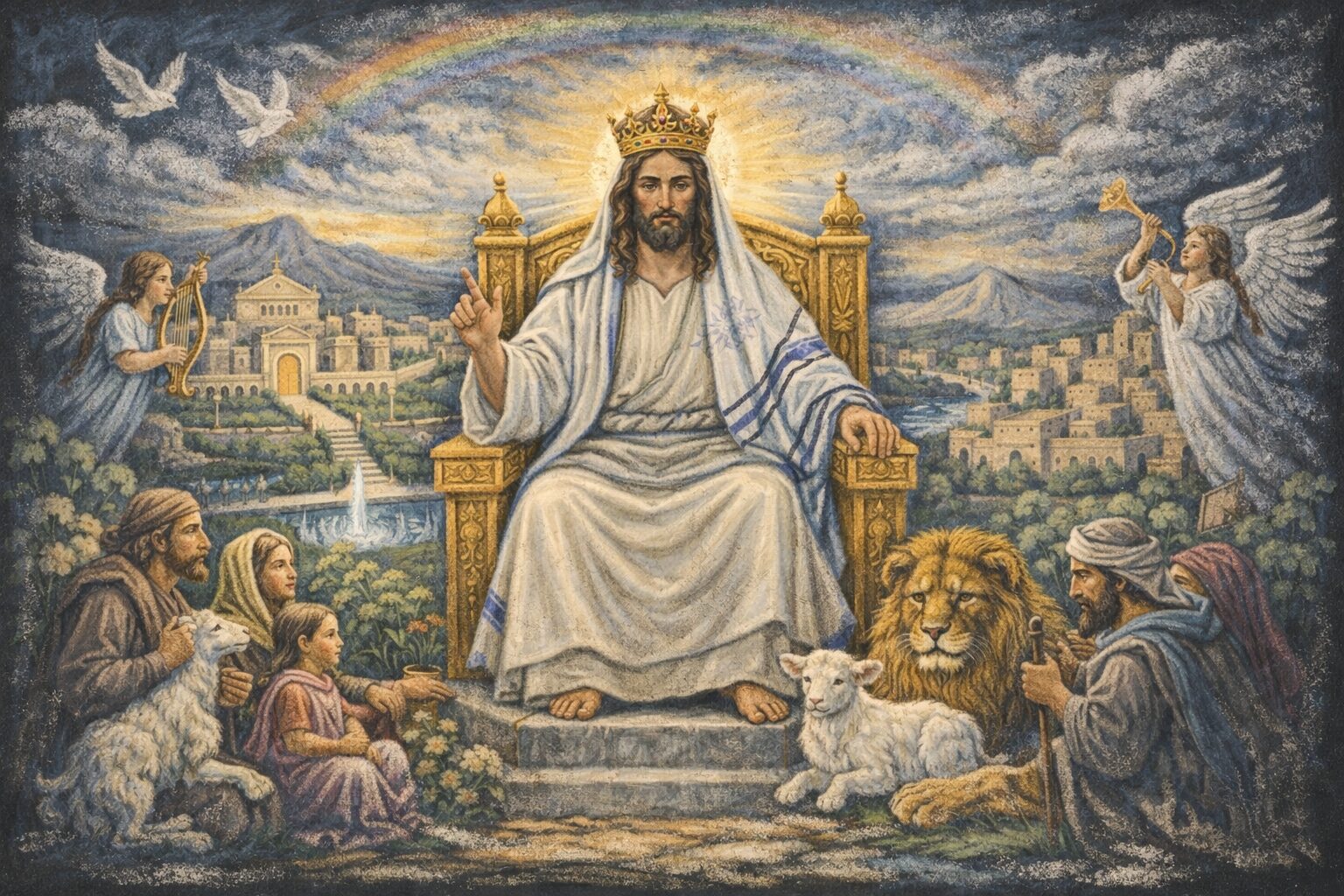
The Gospel of the Kingdom When most Christians hear the word gospel, they often think of a simple statement such as, “Jesus died for your sins so you can go to heaven.” While that contains truth, the Scriptures describe the gospel in a much larger way. In the Bible, the gospel is not only about…
-
Free From What? Free For Whom? Few words are more celebrated in modern American life than freedom. Usually, we mean the freedom to choose, to define ourselves, and to live without restraint. Freedom sounds like autonomy. It sounds like answering to no one but ourselves. But in Scripture, freedom is not self-rule. It is deliverance…
-
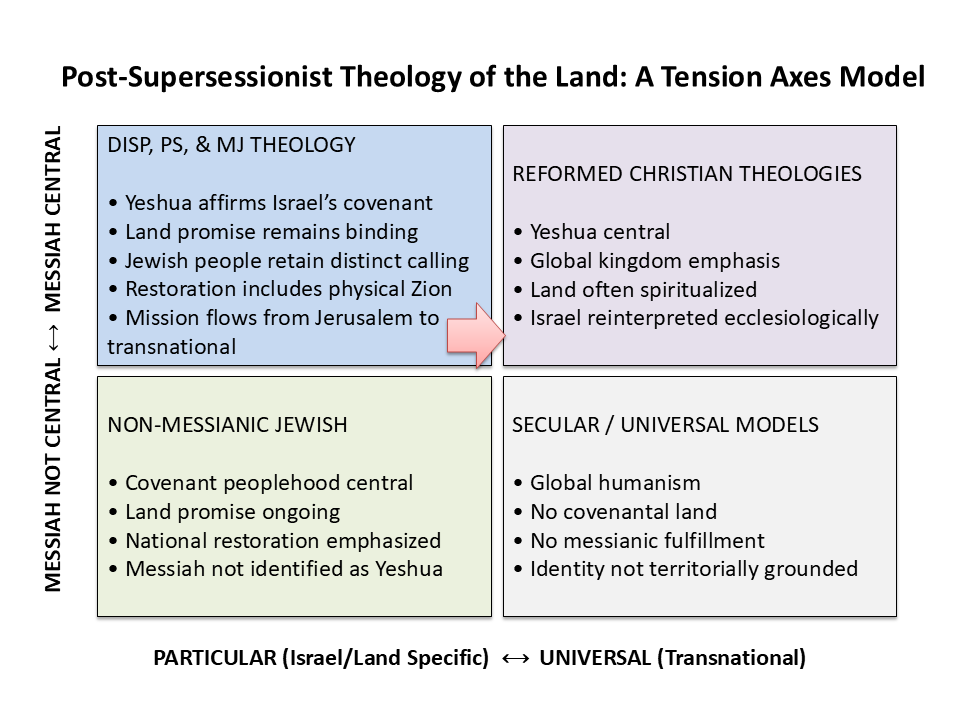
Modern Zionism means different things depending on who is speaking. It is most commonly described as a political movement focused on Jewish national sovereignty in the land of Israel. Biblical Zionism, however, is a theological conviction that God’s covenant promises to Israel—including the land—remain valid and ultimately find their fulfillment in the reign of the…
-

Few questions create more tension for believers today than this one: If I believe the Bible, do I need to support the modern State of Israel? The confusion usually comes from blending two different things together—biblical Zionism and modern Israeli politics. Biblical Zionism is simply the conviction that God’s covenant promises to Israel—including the land—are…