Category: Bible Hermeneutics
-
Did Jesus Abolish the Torah? What “Abolish” and “Fulfill” Really Mean in Matthew 5 Few passages have shaped Christian theology more profoundly—and more problematically—than Matthew 5:17–19. In just three verses, Yeshua addresses the Torah, the Prophets, the future of God’s commandments, and the responsibility of teachers. How these words are understood determines whether the Hebrew…
-

Jesus and Ritual Purity: Life Near God, Not a Language of Sin One of the most common misunderstandings many Gentile believers inherit when reading the Gospels is the idea that ritual purity equals moral sin. When we hear words like unclean or see Jesus touching lepers, corpses, or interacting with those considered impure, we often…
-

Yeshua: Why His Jewish Context Deepens Our Understanding When we read the Gospels, we are encountering the story of Yeshua of Nazareth, a Jewish man living and teaching among Jewish people, shaped by the Scriptures, rhythms, and expectations of Israel. This is not a minor historical detail; it is essential for understanding what He taught,…
-

What Is the New Covenant? Promise, Purpose, and Faithfulness The phrase “new covenant” is often confused with the New Testament itself, as if the Bible were divided into an obsolete “old covenant” section and a replacement “new covenant” section. Scripture never makes that equation. The New Testament writings testify to the new covenant, explain it,…
-
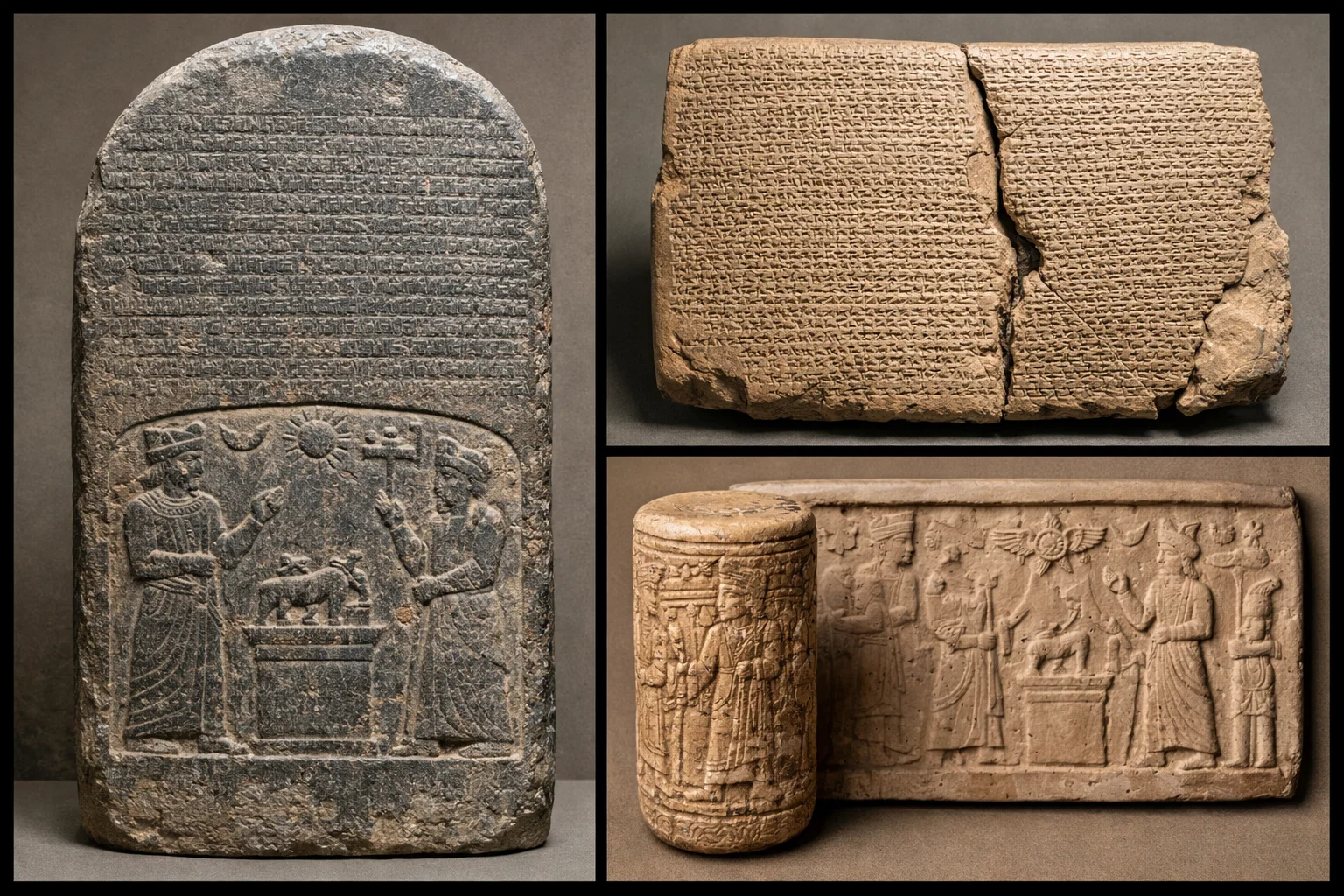
How God Makes Covenants: Understanding the Structure Behind the Bible’s Promises When the Bible speaks about covenants, it is not inventing a new religious concept out of thin air. God chose to communicate His relationship with humanity using a form that people in the ancient world already understood. That form is what scholars call a…
-
What Is a Covenant? Why the Bible’s Most Important Idea Is Often Misunderstood When people read the Bible, they often notice promises, commands, blessings, and warnings, but miss the structure holding it all together. That structure is covenant. A covenant is how God chooses to define His relationship with humanity. Without understanding covenants, much of…
-
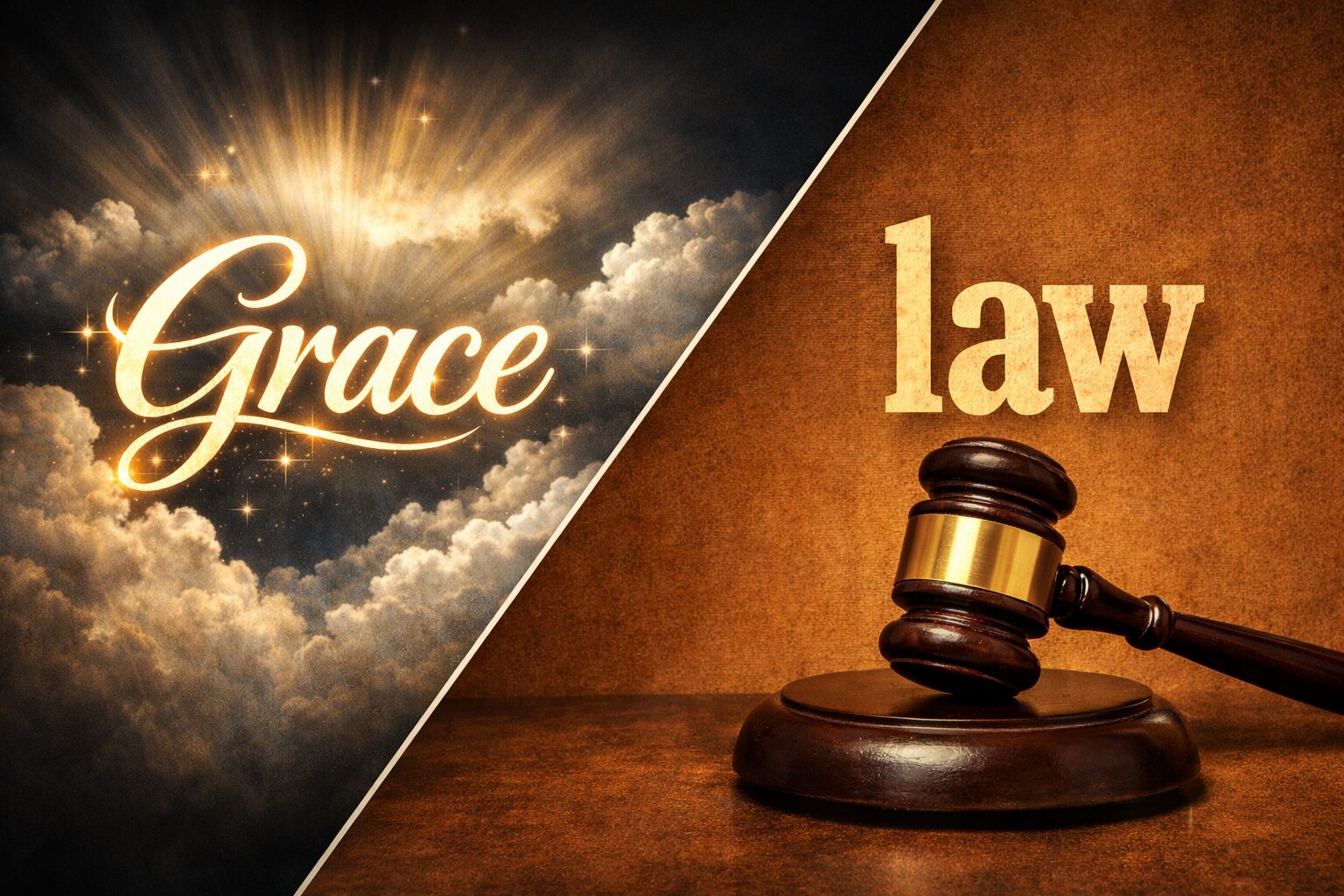
Grace Was Never the Opposite of the Law Many Christians grow up believing the Bible tells two very different stories: first law, then grace. The Old Testament is often described as harsh and rule-driven, while the New Testament is seen as merciful and faith-filled. But when we read Scripture carefully, we discover that this contrast…
-

How Followers of Jesus Relate to God’s Instruction (Torah) Today For many Christians, the word Torah carries a certain tension. It is often reduced to “law,” contrasted with grace, or quietly pushed into the background of the Bible as something important once, but no longer relevant now. Yet Scripture itself does not speak about the…