
Category: Apostolic Writings
-
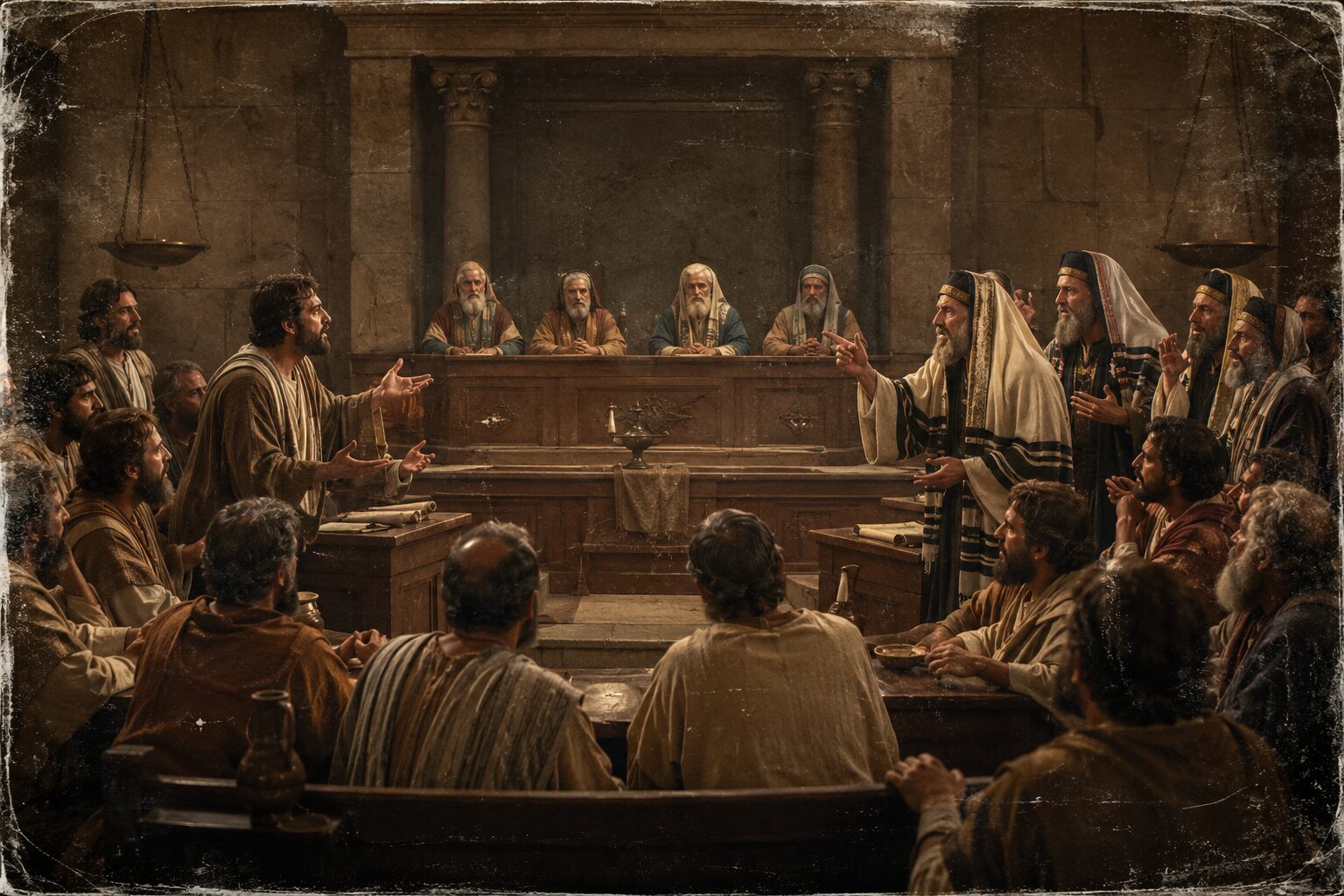
An Exegetical Walkthrough of Acts 15:1–21 Few chapters in the New Testament have had a greater influence on Christian theology than Acts 15. The Jerusalem Council is often cited in discussions about salvation, circumcision, the Law of Moses, and the relationship between Jewish and Gentile believers. Yet before we ask what the council’s decision means…
-
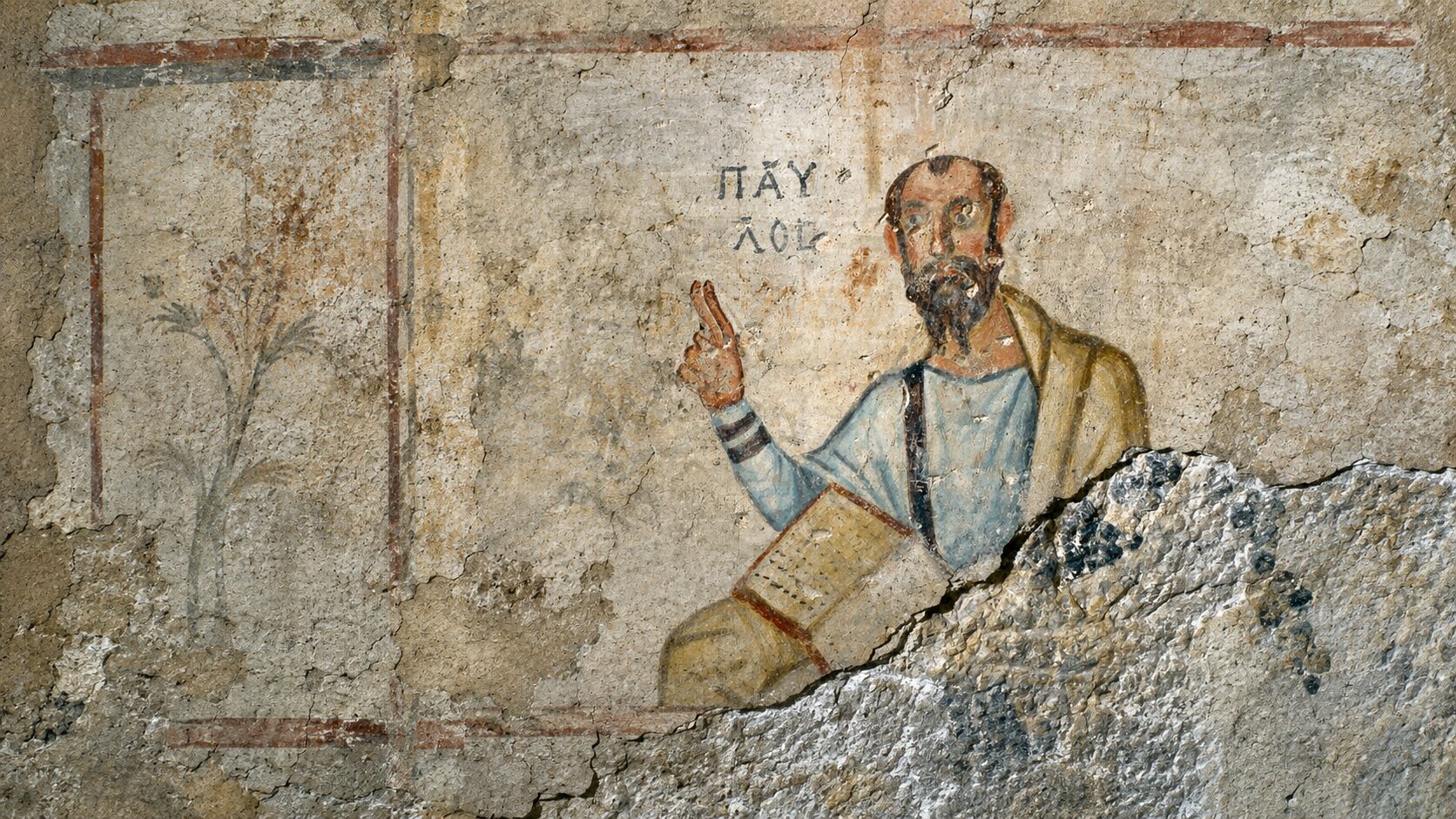
The apostle Paul is one of the most familiar figures in Christian history, and that familiarity is part of the problem. Many readers already “know” Paul before they read him. He is often imagined as the former Jew (Saul) who left Judaism behind, the preacher of grace who rejected law, the founder of Christianity, or…
-
For many readers, Paul’s phrase “works of the law” sounds like a general warning against trying to earn salvation by works. That concern is certainly biblical: no sinner can stand righteous before God by moral achievement (Rom 3:23–24; Eph 2:8–9; Titus 3:5). Yet when we read Paul in his first-century Jewish context, the phrase “works…
-

What is the Problem? The Law, or Torah, is often disregarded in modern Christian thought. Many believers assume the Torah is incomplete, harsh, legalistic, or unable to reveal God’s true heart. Some even speak as though Jesus came to save us from the Law. But if that is true, what exactly was wrong with it?…
-
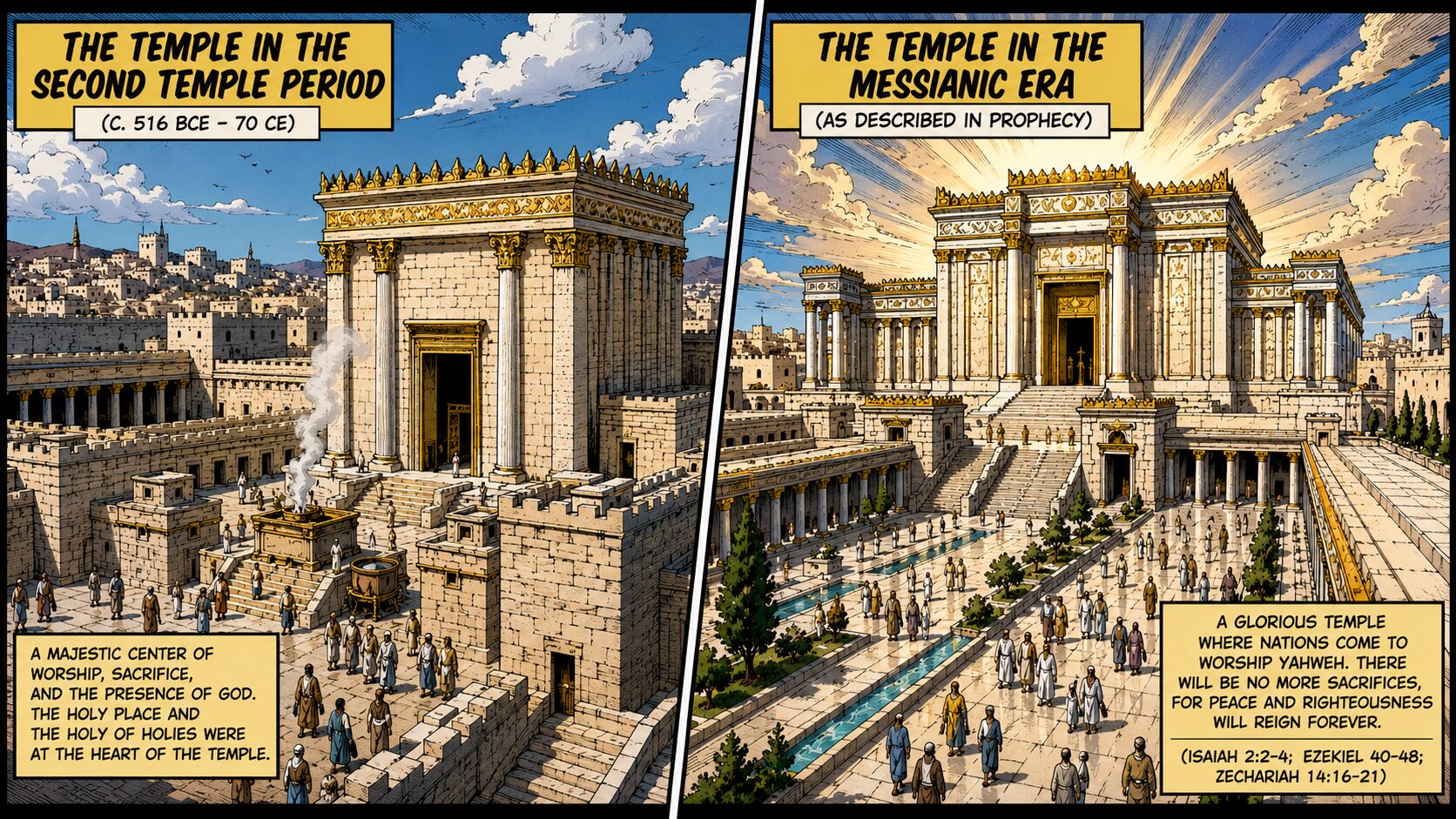
The book of Hebrews can be one of the more difficult books in the New Testament to read for us in the 21st century, largely because modern readers often approach it without considering its first-century Jewish context. Questions about the author, audience, date, and historical setting all shape how the letter should be understood. When…
-

Paul’s words in 2 Corinthians 3 are often misunderstood as if he were contrasting a failed Torah with a successful Messiah. But Paul is doing something far more rooted in the story of Israel. He is interpreting Exodus 32–34—the sin of the golden calf, the breaking and renewal of the covenant, and Moses’ radiant face—and…
-

Below is an exegetical walkthrough of Romans 7. While multiple interpretations of this passage exist, this study aims to approach the text as objectively as possible within its historical context, setting aside supersessionist assumptions. The goal is to situate several highly debated verses within the flow of Paul’s broader argument. All Scripture references are from…
-
Romans 9–11 is one of the most important sections of the New Testament and also one of the most misunderstood. Many readers approach these chapters assuming Paul is explaining why the Church replaced Israel or why God rejected the Jewish people. But if we follow Paul’s argument carefully, we see that he is answering a…
-

For many believers today, salvation is assumed to mean forgiveness of sins so we can go to heaven when we die. Grace is emphasized—rightly—but often in a way that quietly pushes obedience, practice, and transformation to the margins. The result is a faith that is deeply grateful but strangely thin, forgiven yet unchanged. Scripture, however,…
-
Many Gentile believers encounter the Hebrew Roots Movement (HRM) because they recognize something essential: Jesus was Jewish, the apostles read Scripture through Israel’s story, and the gospel is inseparable from the Torah and the Prophets (Luke 24:27; Acts 17:2; Rom 9:4–5). That instinct is good. The problem is that “Hebrew Roots Movement” is not a…