
Tag: Scholarship
-
For many readers, Paul’s phrase “works of the law” sounds like a general warning against trying to earn salvation by works. That concern is certainly biblical: no sinner can stand righteous before God by moral achievement (Rom 3:23–24; Eph 2:8–9; Titus 3:5). Yet when we read Paul in his first-century Jewish context, the phrase “works…
-

Ad fontes means “to the sources.” It was one of the great cries of the Renaissance and Reformation. Humanists and Reformers believed that renewal required returning to the earliest witnesses rather than relying only on inherited interpretations. For the Reformers, this meant returning to Scripture in its original languages—Hebrew and Greek—so the church could hear…
-
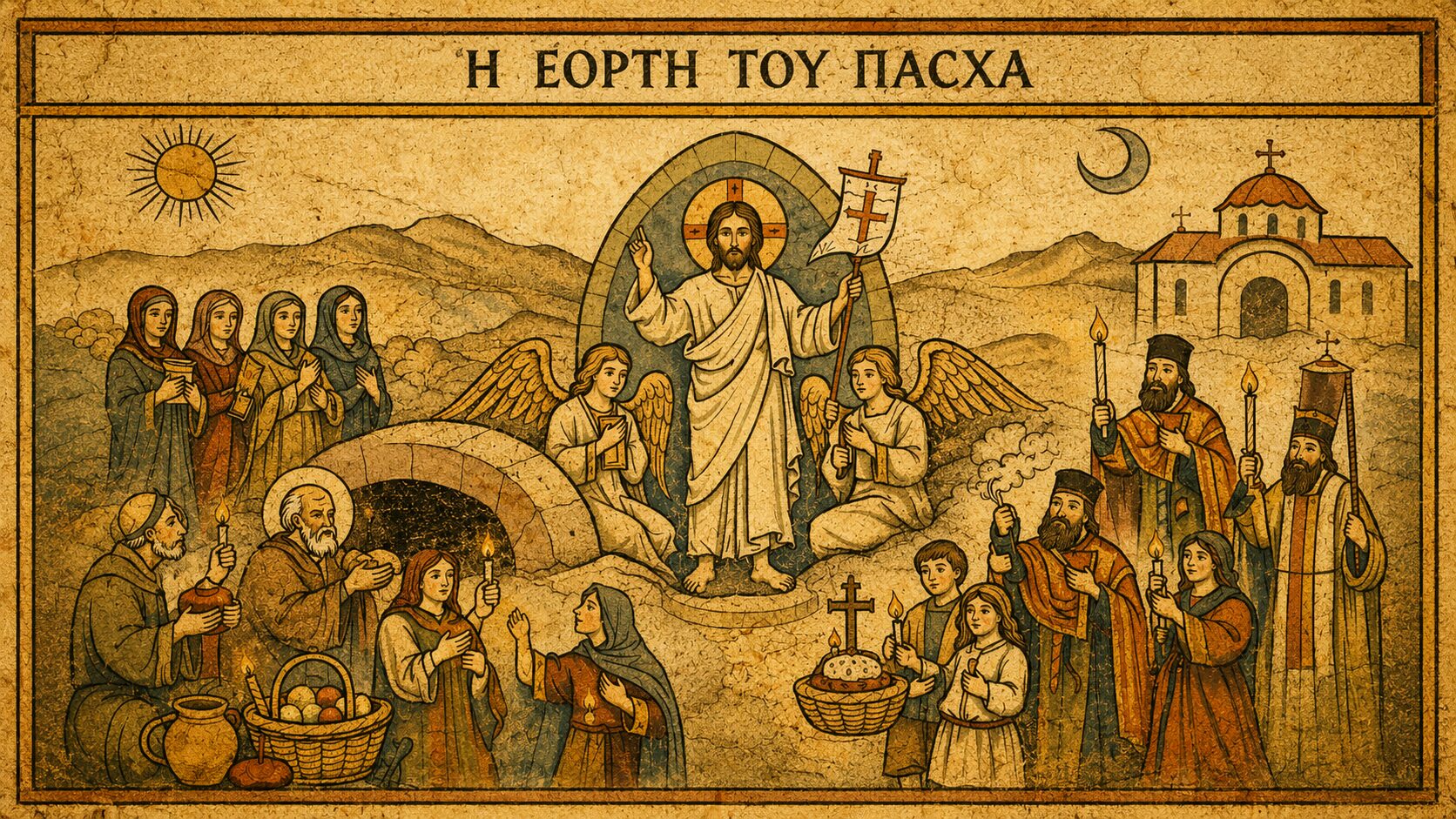
Pascha, Easter, and the Slow Separation of the Church from Israel Many Christians assume the split between the Church and the Jewish people happened early—almost immediately after Jesus. But history tells a much slower, more complicated story. In this article we will follow the development of Pascha—the early Christian observance of Jesus’ death and resurrection…
-
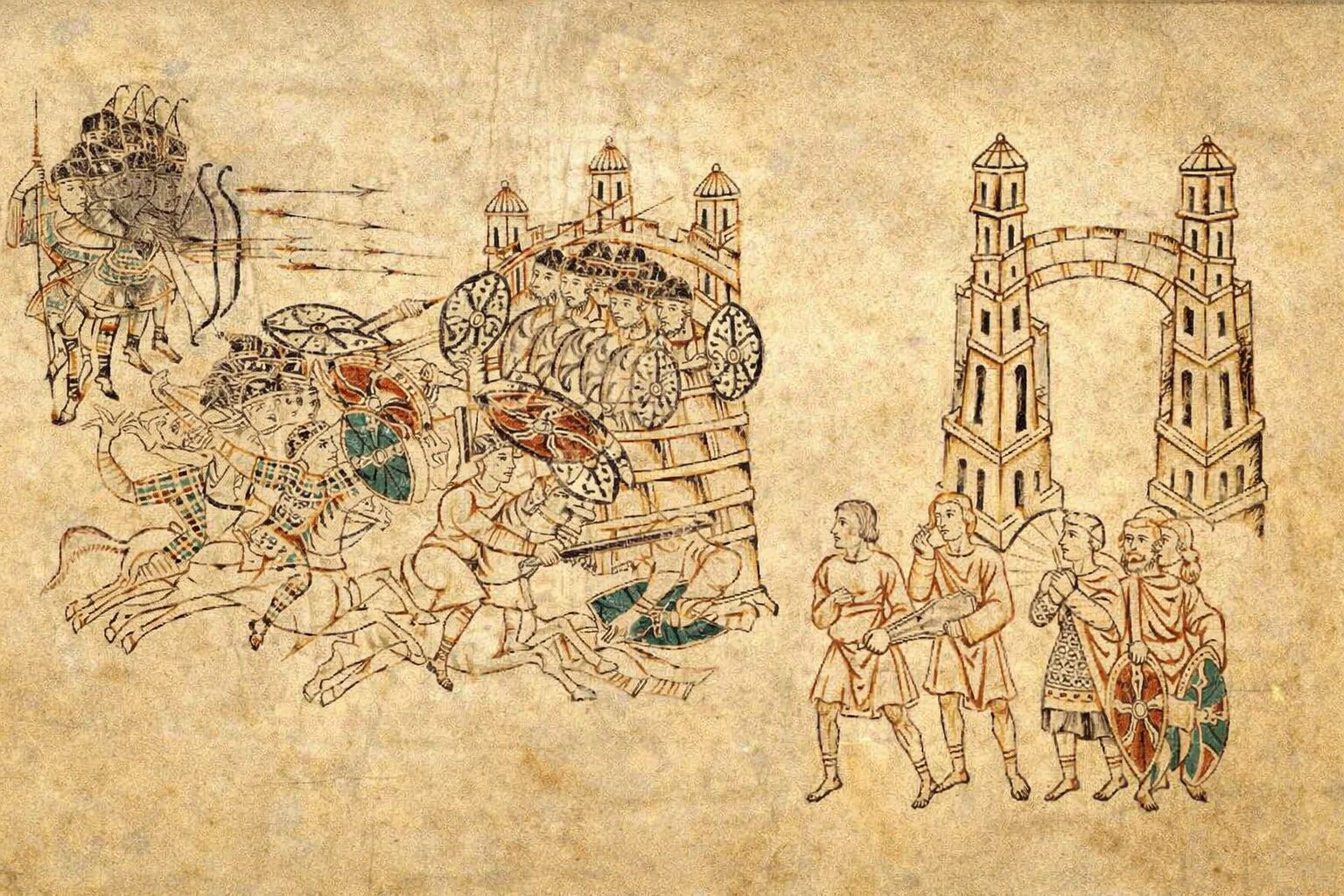
The Forgotten Bridge: Why 1 Maccabees Matters for Followers of Jesus If you’ve ever read your Bible straight through, you may have felt the silence between Malachi and Matthew. The story seems to pause, only to suddenly reopen in a world filled with Roman rule, Temple activity, and deep expectation for a coming Messiah. But…
-

When We Misread What We Don’t Understand There’s a peculiar phrase in an old American song that most of us have heard but few have ever really understood: “Yankee Doodle stuck a feather in his cap and called it macaroni.” At face value, it sounds like nonsense. What does pasta have to do with a…
-
How the Bible Was Formed — And Why It Can Be Trusted Many people assume the Bible simply appeared as a finished book. In reality, it is a collection of writings produced over many centuries and gradually recognized as Scripture by the communities that preserved them. Understanding how the Bible was formed helps explain both…
-
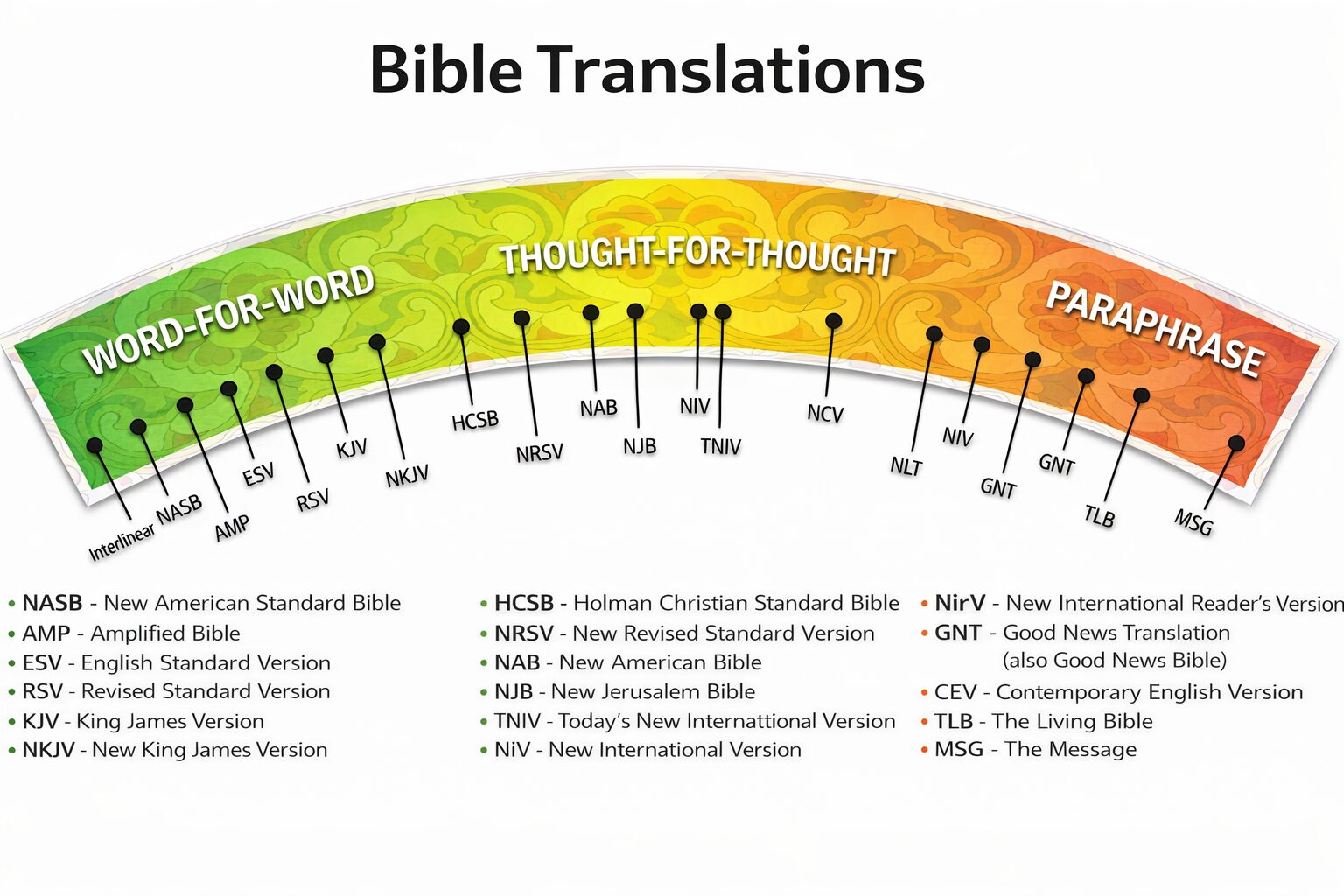
Choosing a Bible Translation: Why It Matters Less Than You Think f you’ve spent any time looking for a Bible, you’ve probably noticed there are a lot of English translations—NIV, NASB, ESV, NLT, NET, KJV, and more. For many people this raises an immediate question: Which one is the right one? The encouraging answer is…
-
Many Gentile believers encounter the Hebrew Roots Movement (HRM) because they recognize something essential: Jesus was Jewish, the apostles read Scripture through Israel’s story, and the gospel is inseparable from the Torah and the Prophets (Luke 24:27; Acts 17:2; Rom 9:4–5). That instinct is good. The problem is that “Hebrew Roots Movement” is not a…
-

The Twentieth Century and the Reopening of a Closed Door¹ For nearly seventeen centuries, Jewish faith in Yeshua existed under severe constraint. The structures established in late antiquity made it virtually impossible for a Jew to confess Yeshua without abandoning Jewish identity, community, and practice (Parting of The Ways). Against that long history, the twentieth…
-

The Parting of the Ways: The fracture of the ekklesia The separation between the Jewish community and the Yeshua-believing ekklesia (The “Church”) was not an apostolic development but a gradual historical process shaped by Roman law, imperial violence, and post-Temple Jewish survival strategies. In the first century, the movement around Yeshua functioned entirely within Judaism.…