
Tag: torah
-
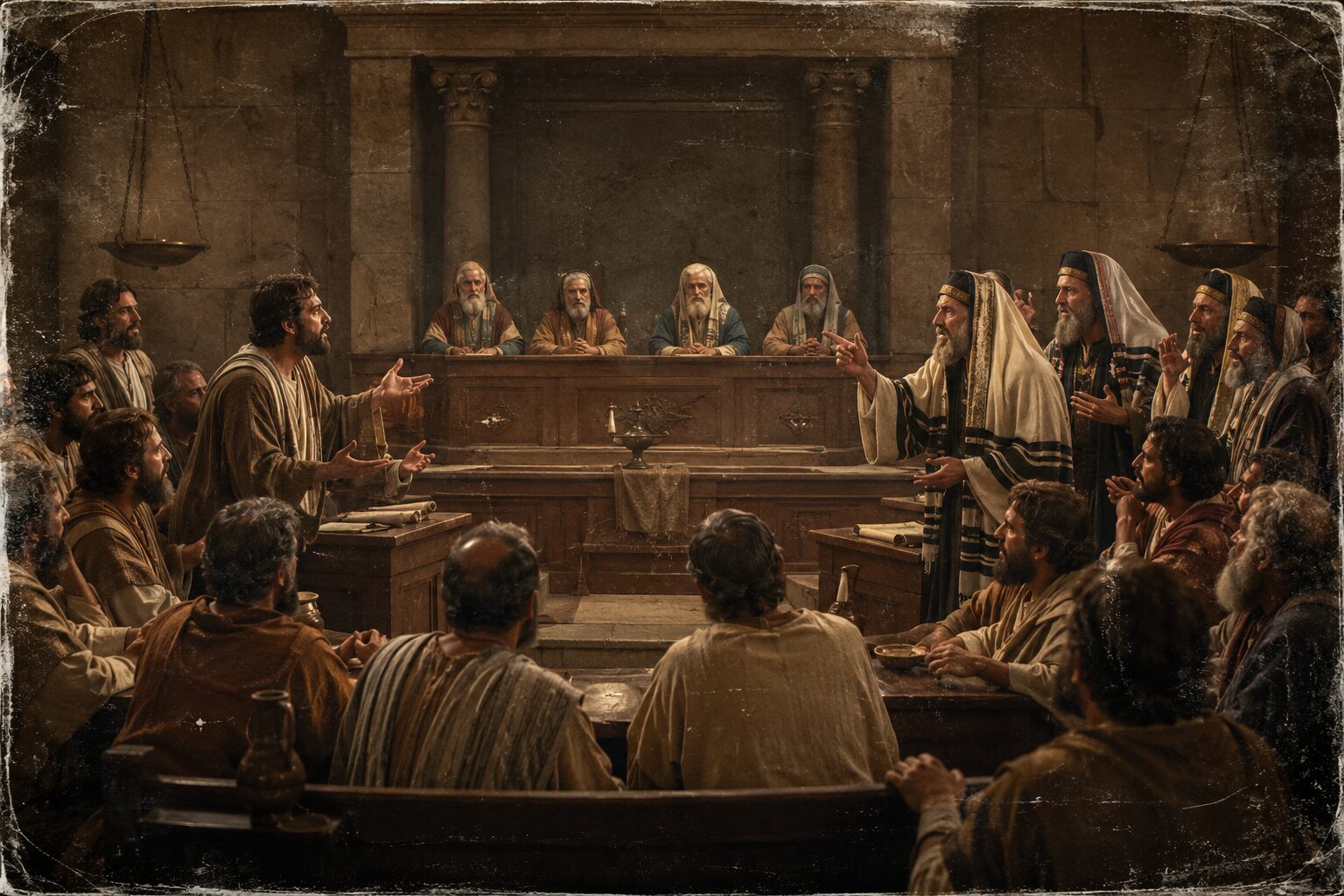
An Exegetical Walkthrough of Acts 15:1–21 Few chapters in the New Testament have had a greater influence on Christian theology than Acts 15. The Jerusalem Council is often cited in discussions about salvation, circumcision, the Law of Moses, and the relationship between Jewish and Gentile believers. Yet before we ask what the council’s decision means…
-
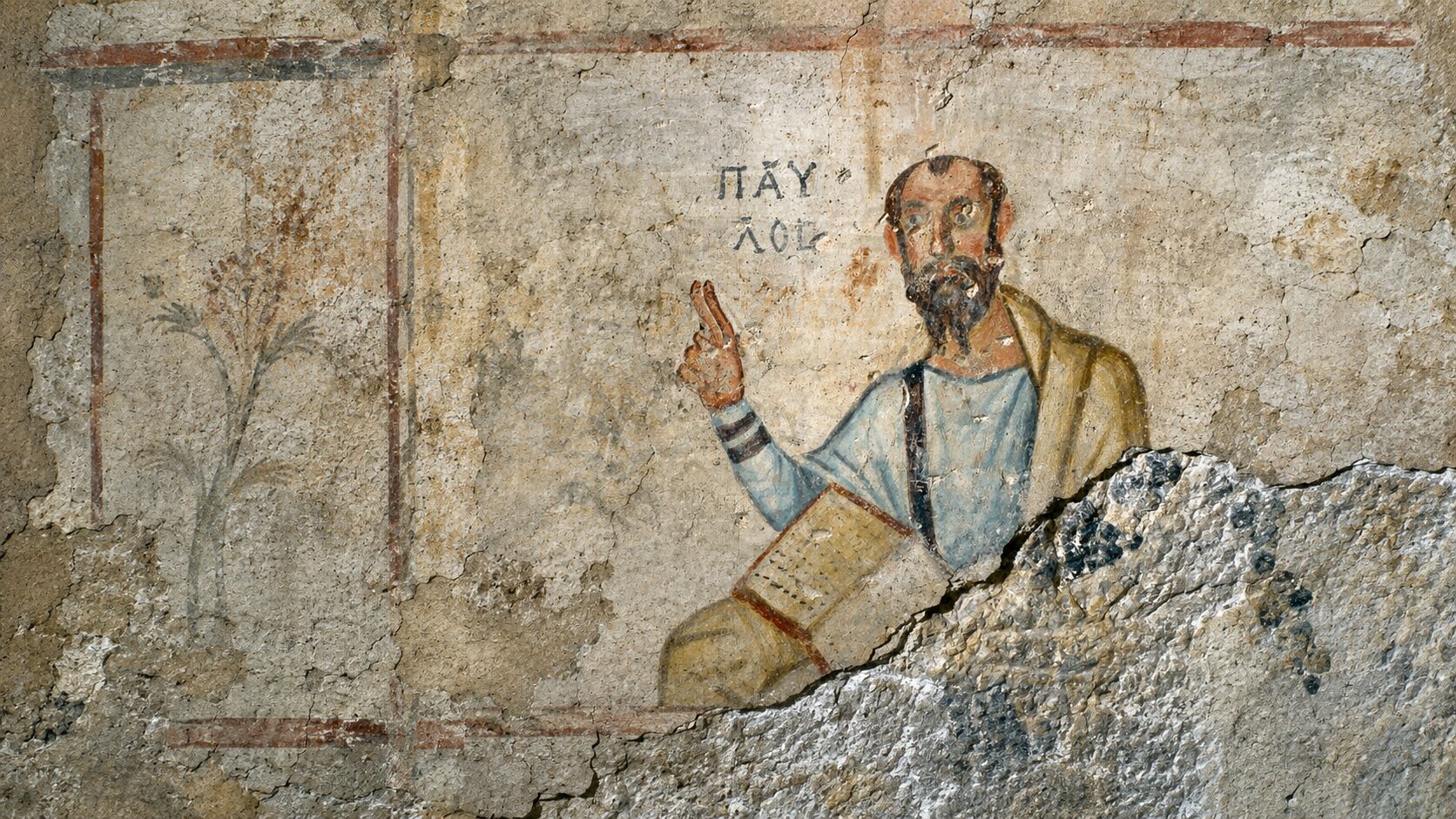
The apostle Paul is one of the most familiar figures in Christian history, and that familiarity is part of the problem. Many readers already “know” Paul before they read him. He is often imagined as the former Jew (Saul) who left Judaism behind, the preacher of grace who rejected law, the founder of Christianity, or…
-
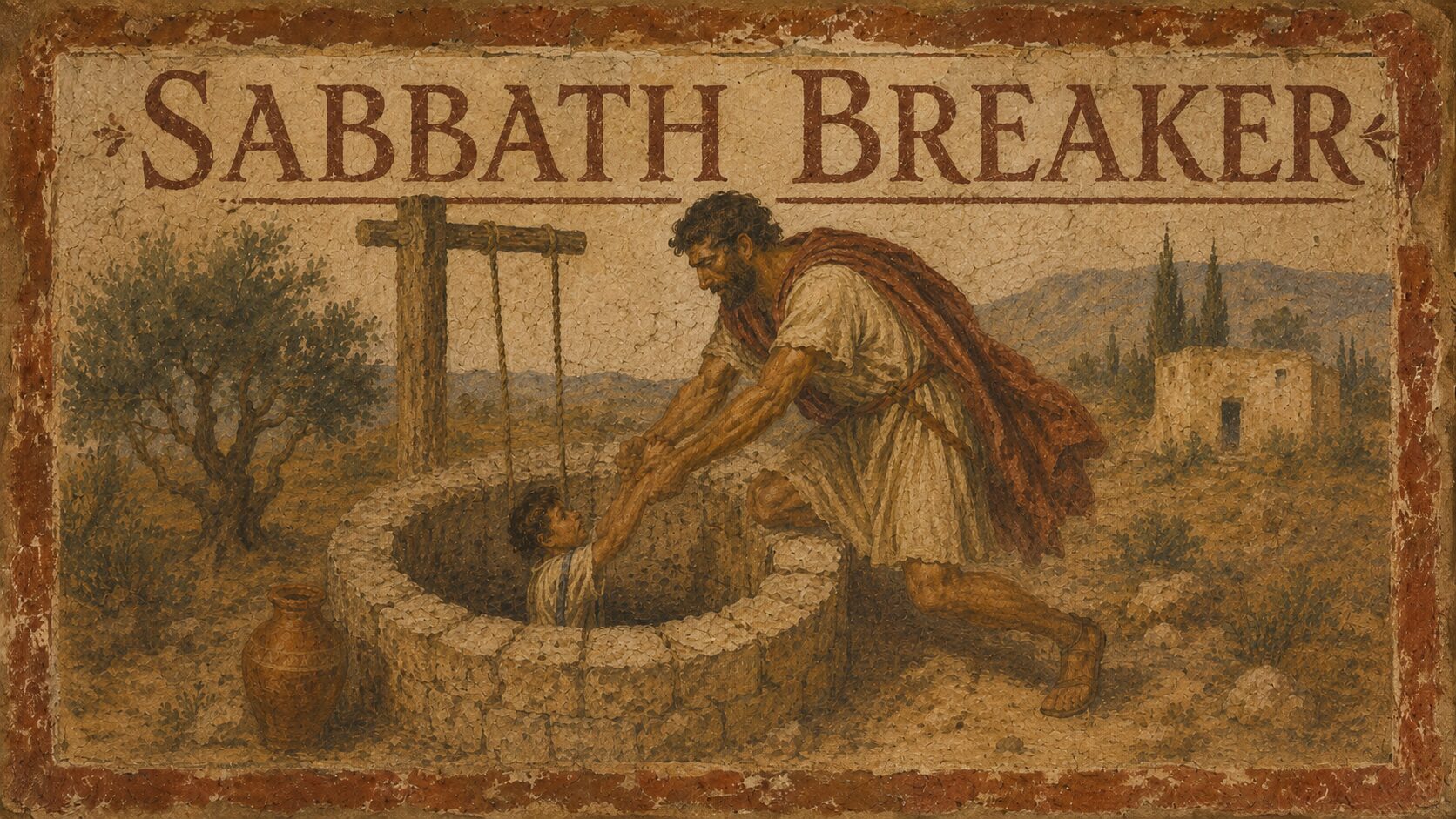
When reading through the Gospel accounts a reader is confronted with stories of other Jewish leaders (Pharisees and teachers of the law) challenging Jesus directly on his interpretation of Sabbath. Their challenge was that Jesus permitted His disciples, or performed Himself, actions they regarded as unlawful labor on the Sabbath. Unfortunately, nearly two thousand years…
-
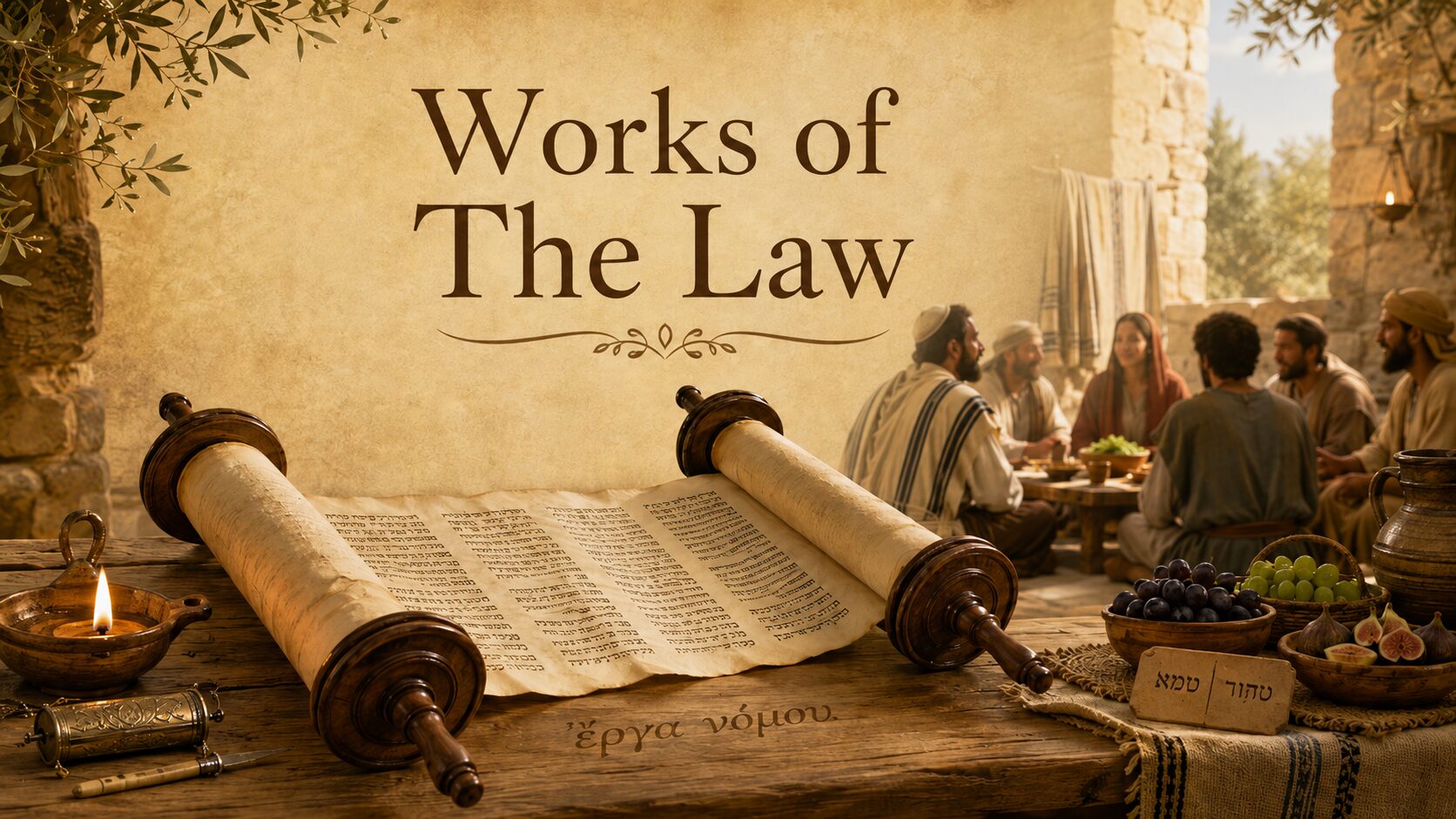
For many readers, Paul’s phrase “works of the law” sounds like a general warning against trying to earn salvation by works. That concern is certainly biblical: no sinner can stand righteous before God by moral achievement (Rom 3:23–24; Eph 2:8–9; Titus 3:5). Yet when we read Paul in his first-century Jewish context, the phrase “works…
-

What is the Problem? The Law, or Torah, is often disregarded in modern Christian thought. Many believers assume the Torah is incomplete, harsh, legalistic, or unable to reveal God’s true heart. Some even speak as though Jesus came to save us from the Law. But if that is true, what exactly was wrong with it?…
-

Paul’s words in 2 Corinthians 3 are often misunderstood as if he were contrasting a failed Torah with a successful Messiah. But Paul is doing something far more rooted in the story of Israel. He is interpreting Exodus 32–34—the sin of the golden calf, the breaking and renewal of the covenant, and Moses’ radiant face—and…
-
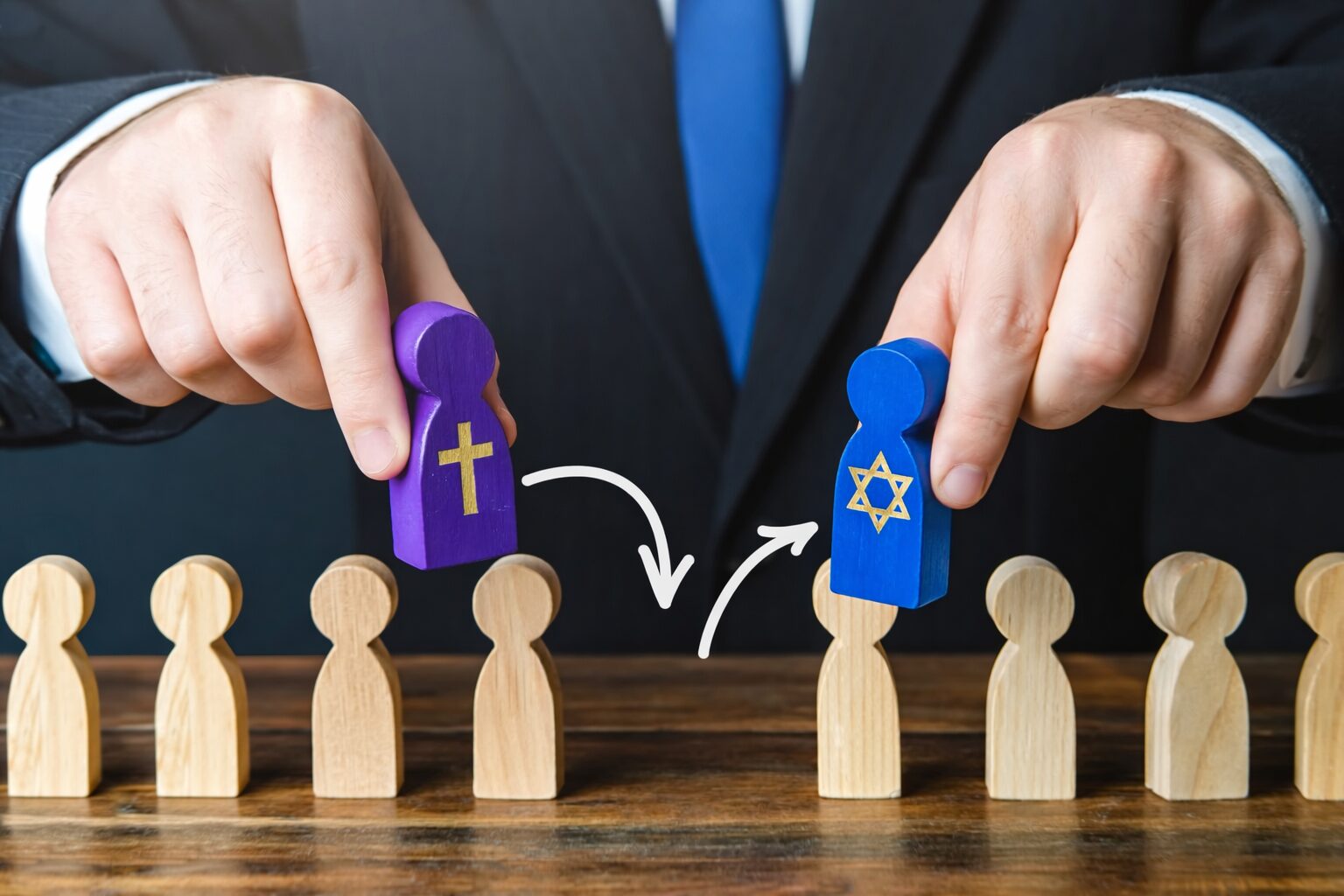
Replacement theology—also called supersessionism in academic circles—is the belief that the Church has replaced Israel in God’s covenant plan. According to this view, the promises God made to the Jewish people in the Hebrew Scriptures are no longer directed toward them as a people. Instead, the Church is believed to have inherited those promises in…
-

Replacement theology proposes that the coming of Messiah resulted in the Torah becoming obsolete and that the church replaced Israel as the covenant people of God. While this interpretation became influential in later Christian theology, the biblical narrative itself contains many themes and passages that challenge this conclusion. From the Torah and the Prophets to…
-
Scriptures Often Used to Argue That the Torah or Jewish People Were Replaced Throughout church history, certain New Testament passages have been interpreted to suggest that the Torah is no longer relevant or that the Jewish people have lost their covenantal role in God’s purposes. The following verses and themes are often treated as foundational…
-
Many Gentile believers encounter the Hebrew Roots Movement (HRM) because they recognize something essential: Jesus was Jewish, the apostles read Scripture through Israel’s story, and the gospel is inseparable from the Torah and the Prophets (Luke 24:27; Acts 17:2; Rom 9:4–5). That instinct is good. The problem is that “Hebrew Roots Movement” is not a…