
Tag: Israel
-

The apostle Paul is one of the most familiar figures in Christian history, and that familiarity is part of the problem. Many readers already “know” Paul before they read him. He is often imagined as the former Jew (Saul) who left Judaism behind, the preacher of grace who rejected law, the founder of Christianity, or…
-

What is the Problem? The Law, or Torah, is often disregarded in modern Christian thought. Many believers assume the Torah is incomplete, harsh, legalistic, or unable to reveal God’s true heart. Some even speak as though Jesus came to save us from the Law. But if that is true, what exactly was wrong with it?…
-
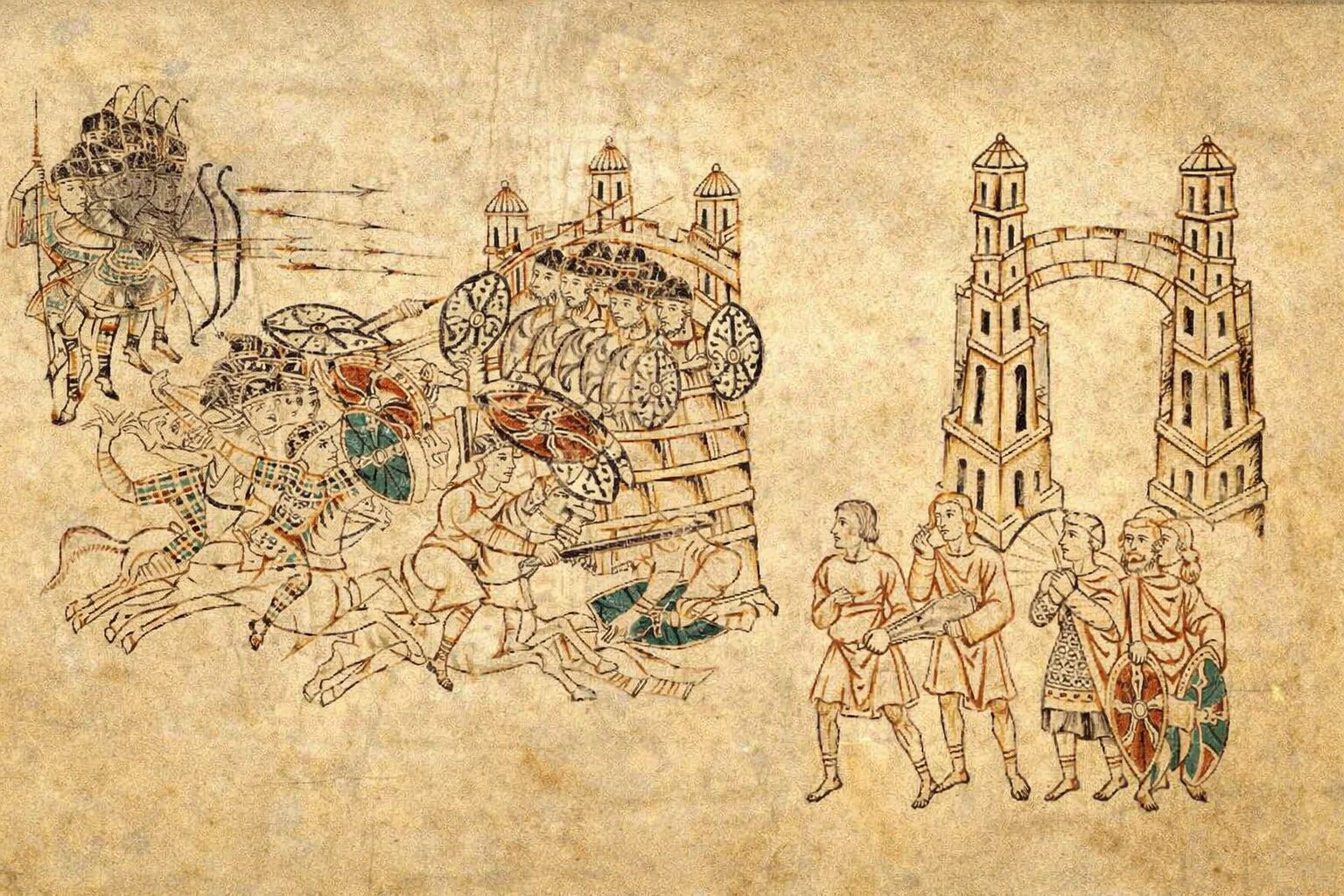
The Forgotten Bridge: Why 1 Maccabees Matters for Followers of Jesus If you’ve ever read your Bible straight through, you may have felt the silence between Malachi and Matthew. The story seems to pause, only to suddenly reopen in a world filled with Roman rule, Temple activity, and deep expectation for a coming Messiah. But…
-

When We Misread What We Don’t Understand There’s a peculiar phrase in an old American song that most of us have heard but few have ever really understood: “Yankee Doodle stuck a feather in his cap and called it macaroni.” At face value, it sounds like nonsense. What does pasta have to do with a…
-

Replacement theology—also called supersessionism in academic circles—is the belief that the Church has replaced Israel in God’s covenant plan. According to this view, the promises God made to the Jewish people in the Hebrew Scriptures are no longer directed toward them as a people. Instead, the Church is believed to have inherited those promises in…
-
Romans 9–11 is one of the most important sections of the New Testament and also one of the most misunderstood. Many readers approach these chapters assuming Paul is explaining why the Church replaced Israel or why God rejected the Jewish people. But if we follow Paul’s argument carefully, we see that he is answering a…
-
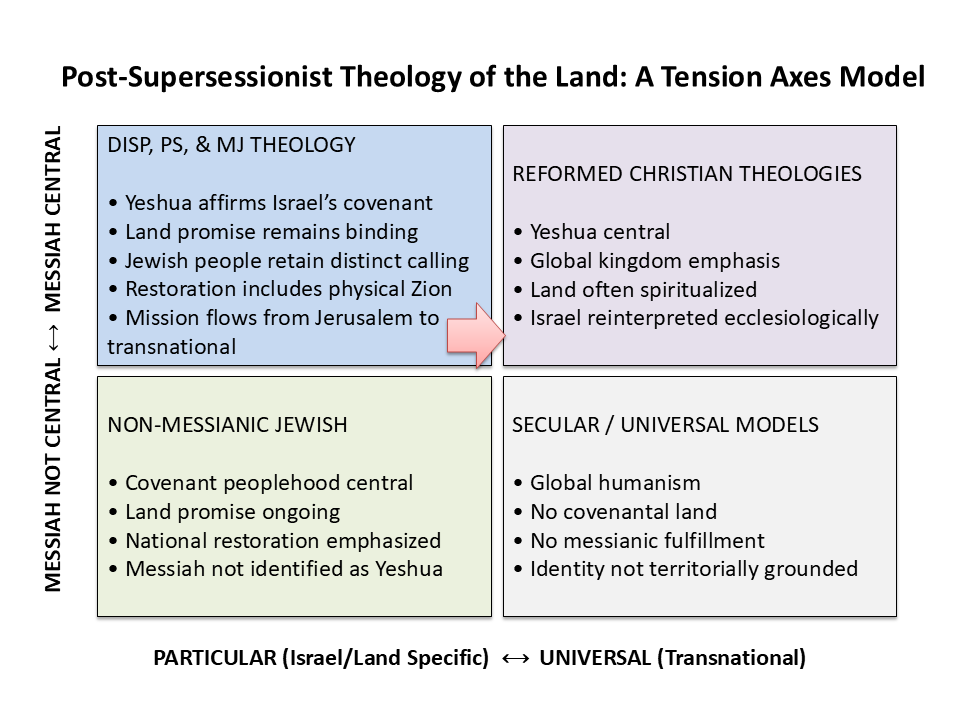
Modern Zionism means different things depending on who is speaking. It is most commonly described as a political movement focused on Jewish national sovereignty in the land of Israel. Biblical Zionism, however, is a theological conviction that God’s covenant promises to Israel—including the land—remain valid and ultimately find their fulfillment in the reign of the…
-

Few questions create more tension for believers today than this one: If I believe the Bible, do I need to support the modern State of Israel? The confusion usually comes from blending two different things together—biblical Zionism and modern Israeli politics. Biblical Zionism is simply the conviction that God’s covenant promises to Israel—including the land—are…
-
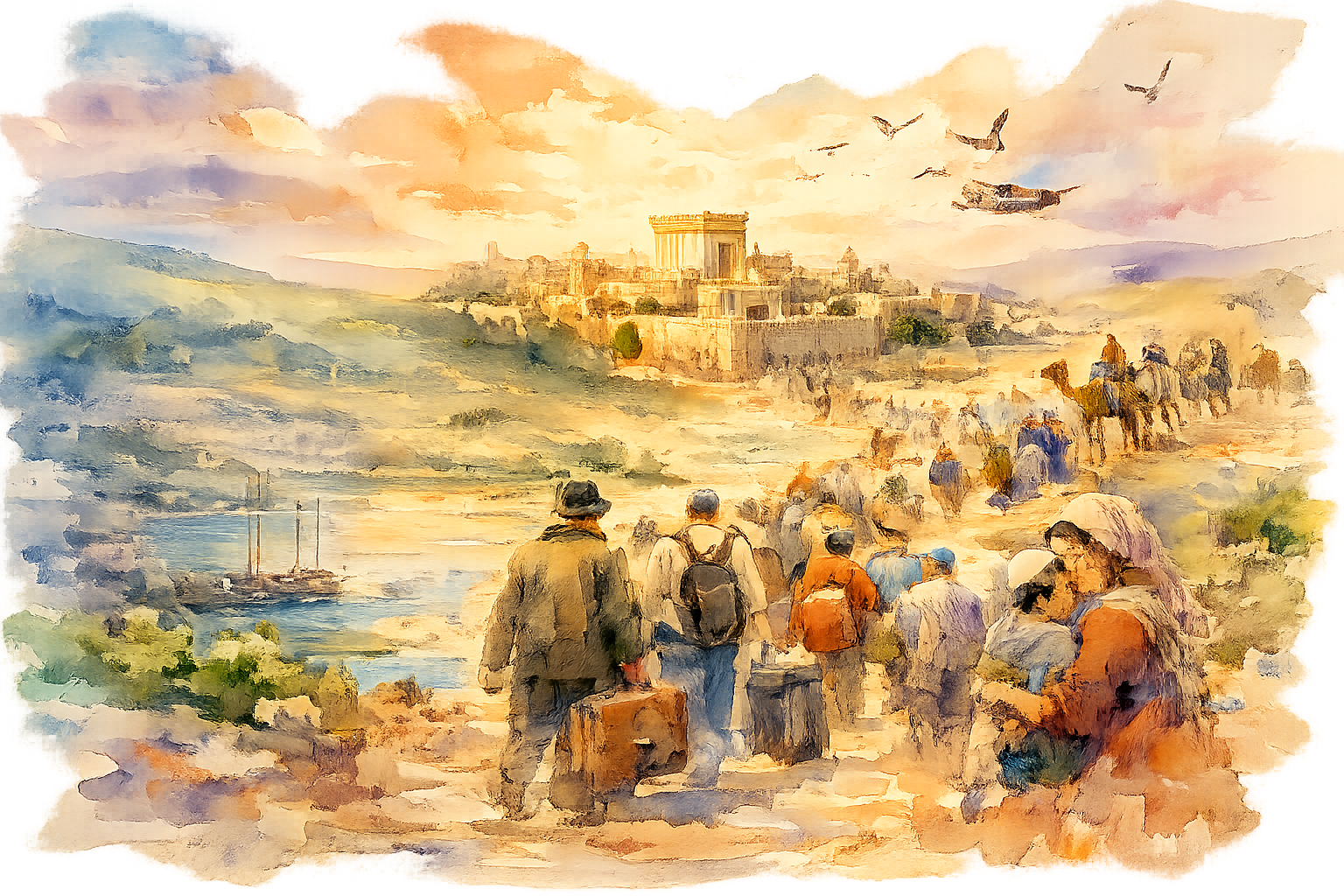
In the modern world, “Zionism” is usually understood as a political movement connected to Jewish national self-determination and the modern State of Israel. People tend to argue about it in political categories—borders, governments, parties, wars—so the word can feel like it automatically belongs to the news cycle. This post discusses “Biblical Zionism”, a term that…
-

Replacement theology proposes that the coming of Messiah resulted in the Torah becoming obsolete and that the church replaced Israel as the covenant people of God. While this interpretation became influential in later Christian theology, the biblical narrative itself contains many themes and passages that challenge this conclusion. From the Torah and the Prophets to…