

Explore teachings and notes that have been impactful to me and my spiritual journey over the years.
All of the blog posts approach reading the bible from a 1st century historical and culturally Jewish perspective as Jesus and his disciples would have, Learn more about this in the hermeneutics category posts.
Want to learn more about this perspective from other sources? Take a look at my own Academic Writings
Or my recommended Books/Commentaries, Podcast Resources, or additional Scholarly Journal Articles and Books.
Bible Blog Categories
Still Have Questions?
Try a custom curated GPT to help study and answer any lingering questions.

Unbiased Bible Study Partner. Study the plain text of the bible without denominational or traditional biases.

Study the bible how Jesus & his disciples would have understood it. From a first century historical and culturally jewish perspective.
-

Romans 7: The Sin Problem
Below is an exegetical walkthrough of Romans 7. While multiple interpretations of this passage exist, this study aims to approach the text as objectively as possible within its historical context, setting aside supersessionist assumptions. The goal is to situate several highly debated verses within the flow of Paul’s…
-

Biblical Freedom
Free From What? Free For Whom? Few words are more celebrated in modern American life than freedom. Usually, we mean the freedom to choose, to define ourselves, and to live without restraint. Freedom sounds like autonomy. It sounds like answering to no one but ourselves. But in Scripture,…
-
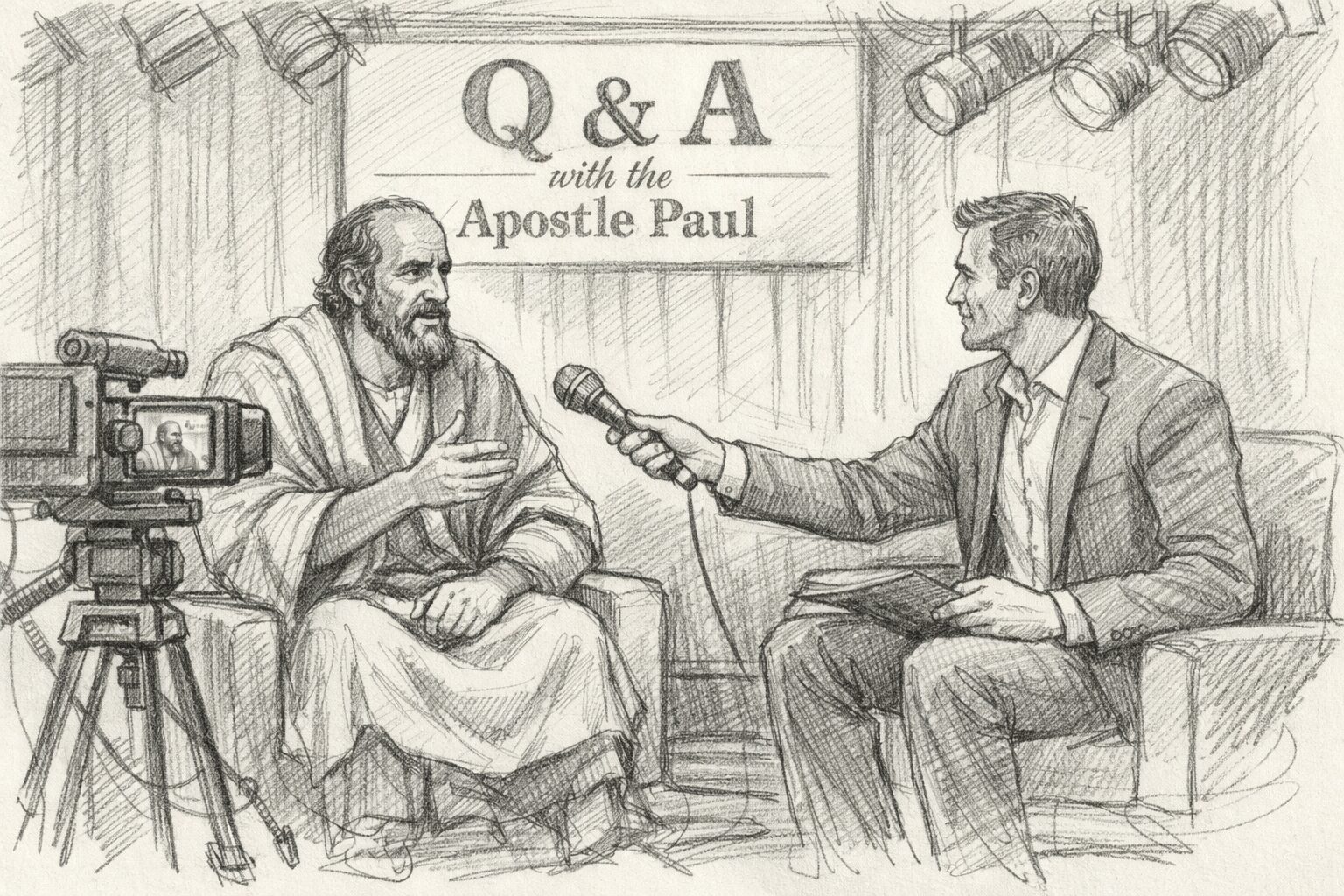
Romans 9-11: Has God Rejected Israel? – A Q&A with Paul
Romans 9–11 is one of the most important sections of the New Testament and also one of the most misunderstood. Many readers approach these chapters assuming Paul is explaining why the Church replaced Israel or why God rejected the Jewish people. But if we follow Paul’s argument carefully,…
-

The Bible’s Composition – Discipleship Tools
How the Bible Was Formed — And Why It Can Be Trusted Many people assume the Bible simply appeared as a finished book. In reality, it is a collection of writings produced over many centuries and gradually recognized as Scripture by the communities that preserved them. Understanding how…
-
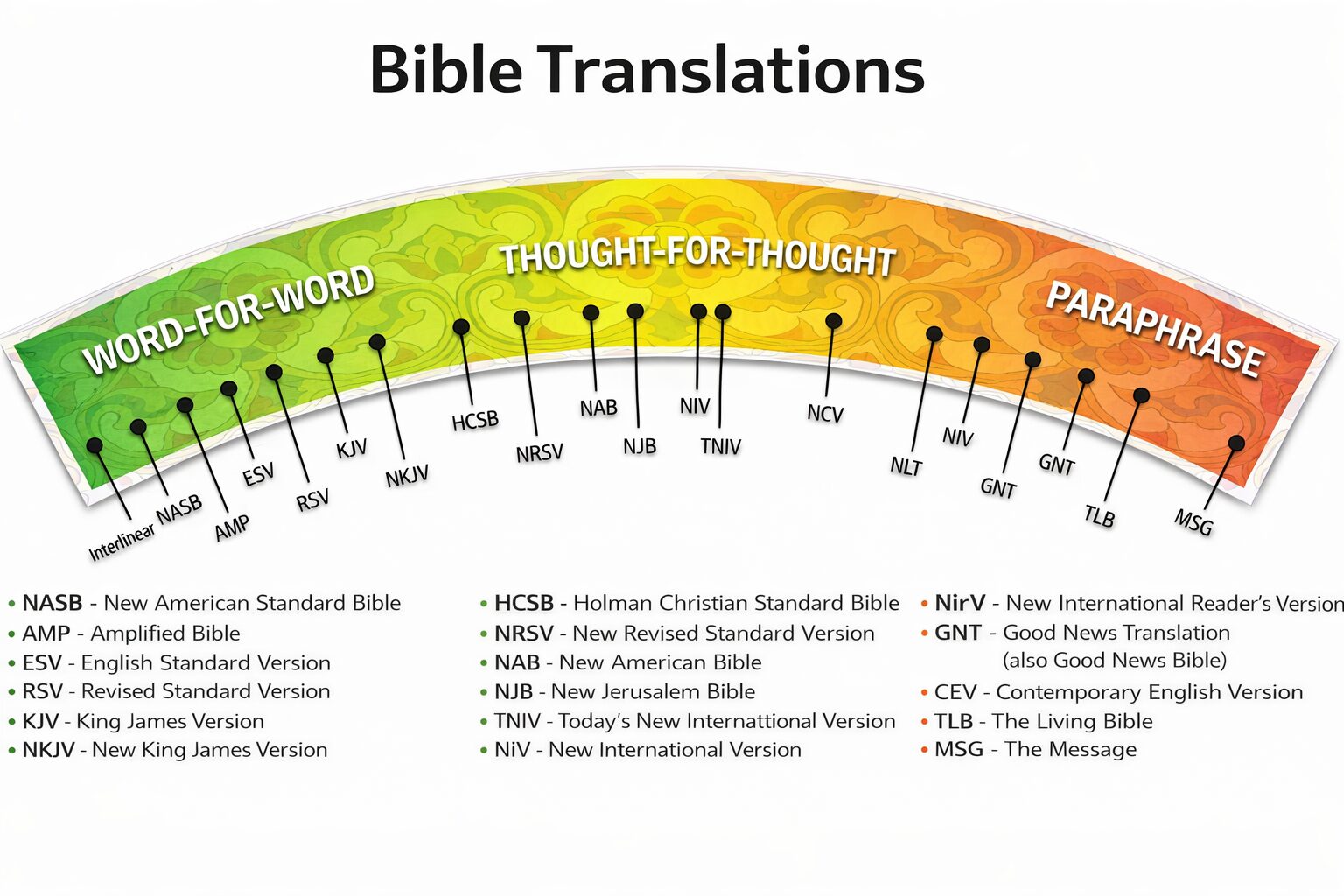
Bible Translations – Discipleship Tools
Choosing a Bible Translation: Why It Matters Less Than You Think f you’ve spent any time looking for a Bible, you’ve probably noticed there are a lot of English translations—NIV, NASB, ESV, NLT, NET, KJV, and more. For many people this raises an immediate question: Which one is…
-
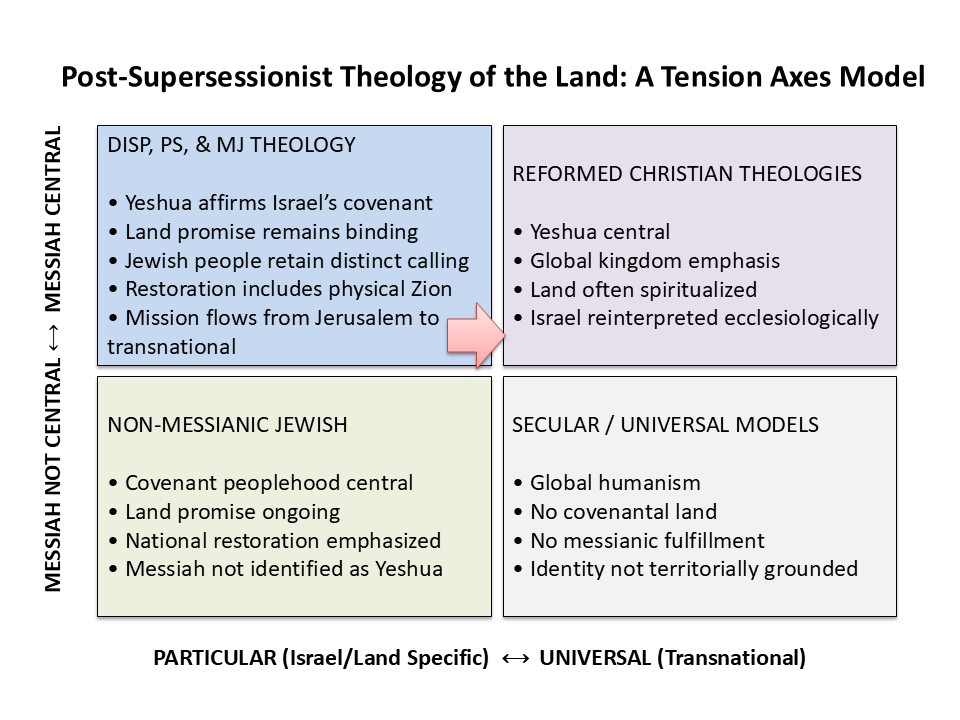
Perspectives on The Modern Zionism Movement
Modern Zionism means different things depending on who is speaking. It is most commonly described as a political movement focused on Jewish national sovereignty in the land of Israel. Biblical Zionism, however, is a theological conviction that God’s covenant promises to Israel—including the land—remain valid and ultimately find…