
Tag: Hermeneutics
-
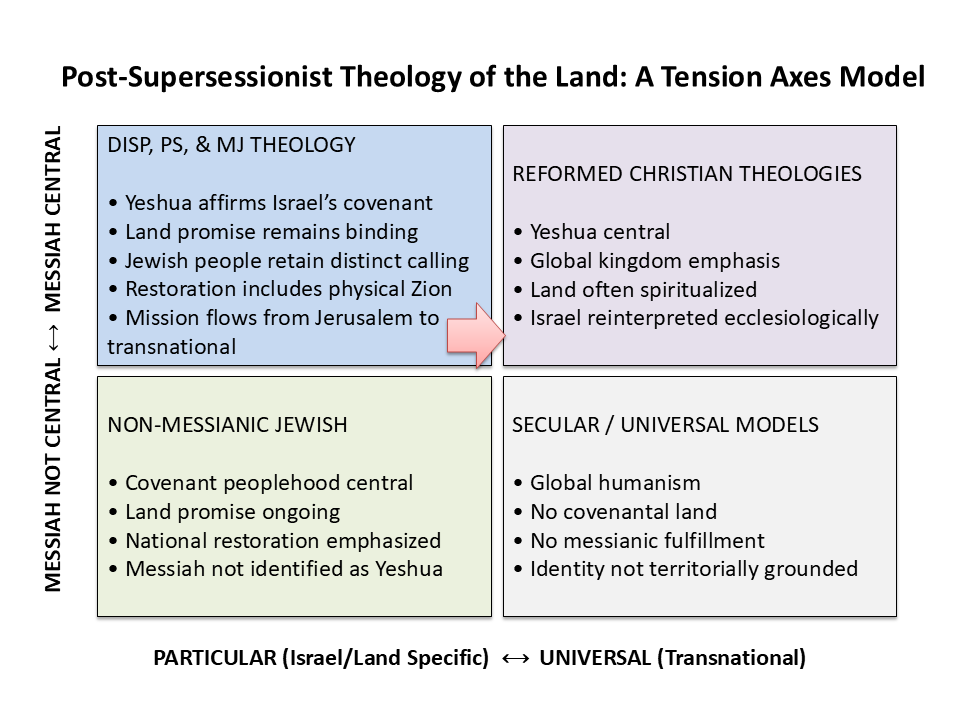
Modern Zionism means different things depending on who is speaking. It is most commonly described as a political movement focused on Jewish national sovereignty in the land of Israel. Biblical Zionism, however, is a theological conviction that God’s covenant promises to Israel—including the land—remain valid and ultimately find their fulfillment in the reign of the…
-

Few questions create more tension for believers today than this one: If I believe the Bible, do I need to support the modern State of Israel? The confusion usually comes from blending two different things together—biblical Zionism and modern Israeli politics. Biblical Zionism is simply the conviction that God’s covenant promises to Israel—including the land—are…
-
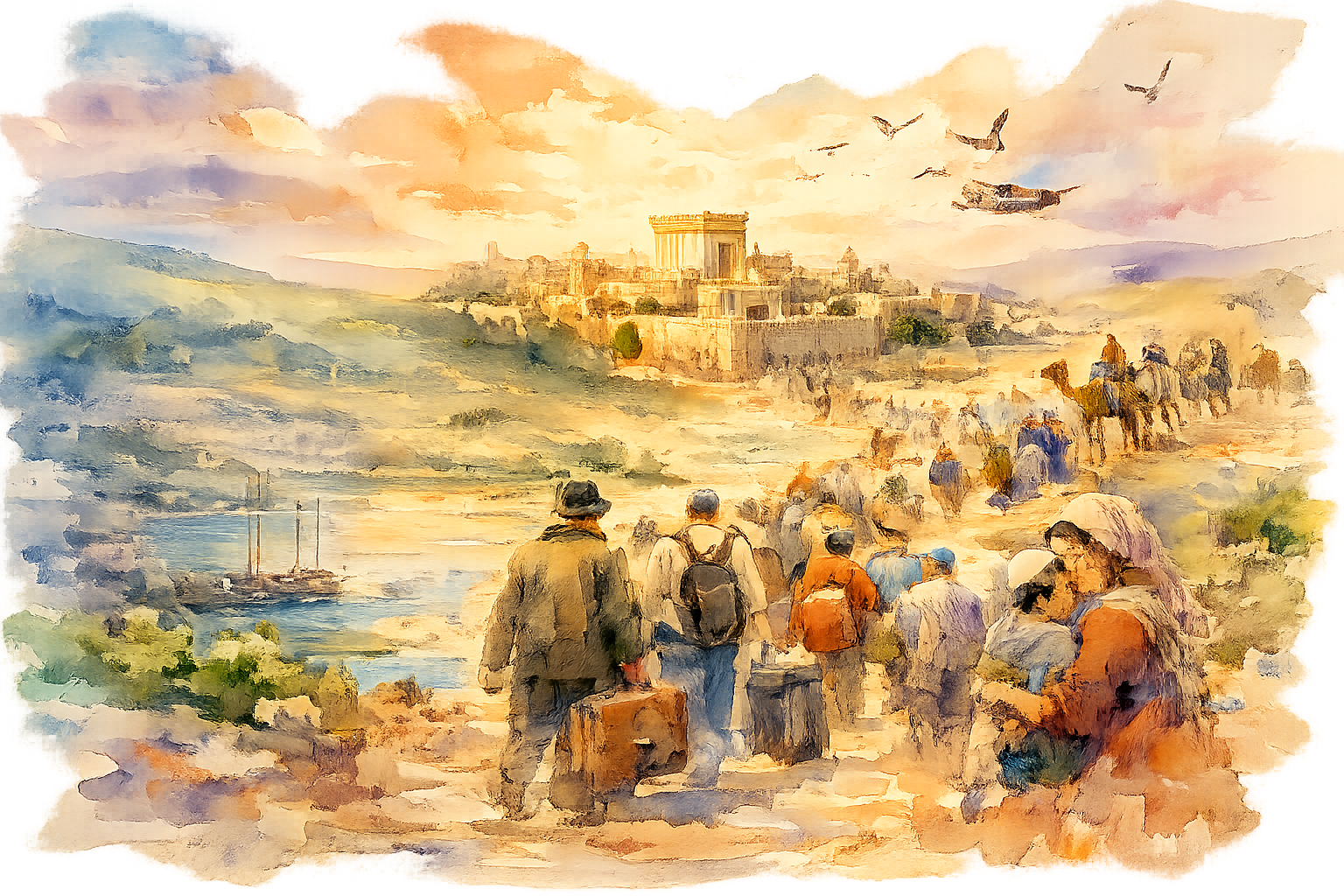
In the modern world, “Zionism” is usually understood as a political movement connected to Jewish national self-determination and the modern State of Israel. People tend to argue about it in political categories—borders, governments, parties, wars—so the word can feel like it automatically belongs to the news cycle. This post discusses “Biblical Zionism”, a term that…
-

Replacement theology proposes that the coming of Messiah resulted in the Torah becoming obsolete and that the church replaced Israel as the covenant people of God. While this interpretation became influential in later Christian theology, the biblical narrative itself contains many themes and passages that challenge this conclusion. From the Torah and the Prophets to…
-
Scriptures Often Used to Argue That the Torah or Jewish People Were Replaced Throughout church history, certain New Testament passages have been interpreted to suggest that the Torah is no longer relevant or that the Jewish people have lost their covenantal role in God’s purposes. The following verses and themes are often treated as foundational…
-
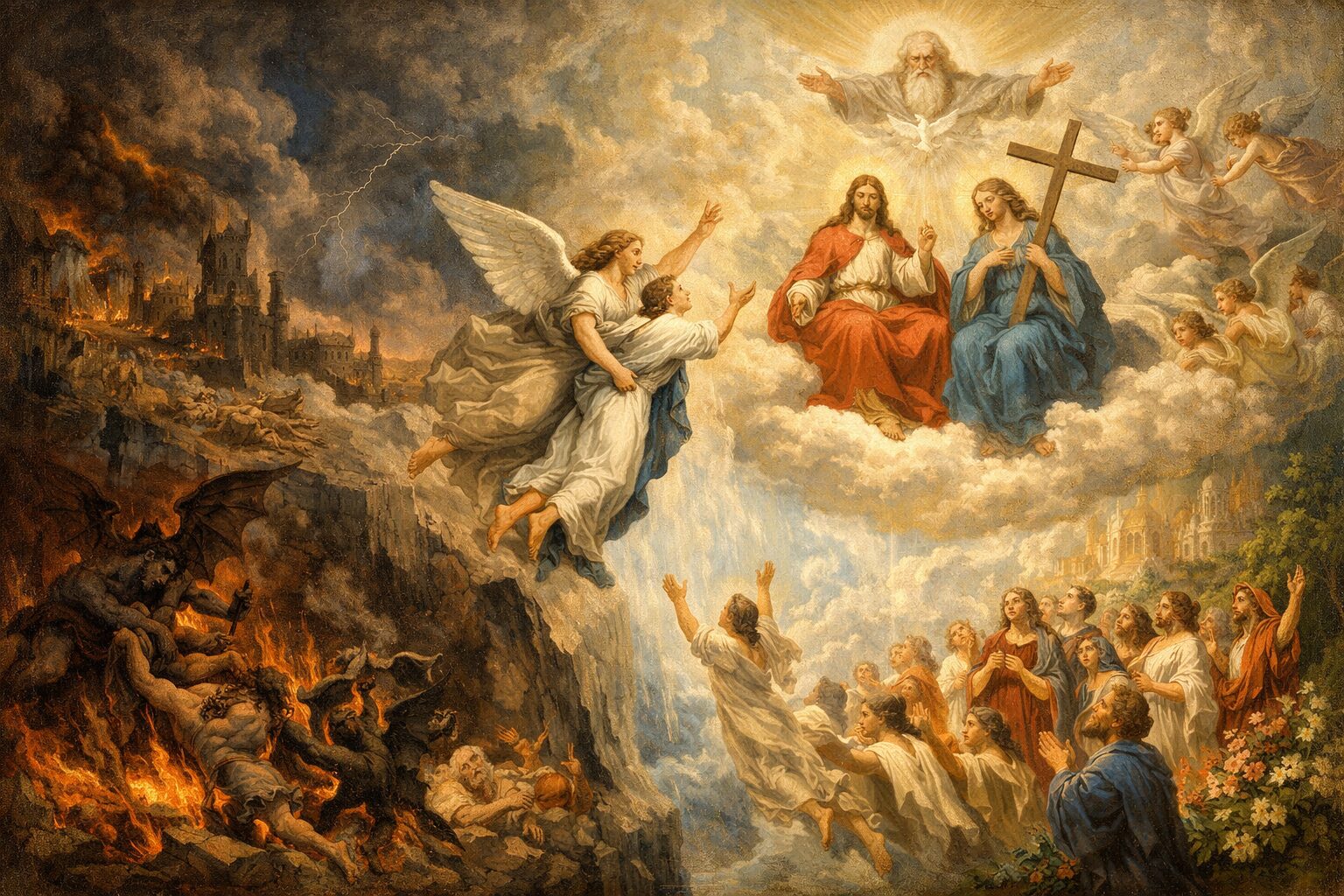
For many believers today, salvation is assumed to mean forgiveness of sins so we can go to heaven when we die. Grace is emphasized—rightly—but often in a way that quietly pushes obedience, practice, and transformation to the margins. The result is a faith that is deeply grateful but strangely thin, forgiven yet unchanged. Scripture, however,…
-
Many Gentile believers encounter the Hebrew Roots Movement (HRM) because they recognize something essential: Jesus was Jewish, the apostles read Scripture through Israel’s story, and the gospel is inseparable from the Torah and the Prophets (Luke 24:27; Acts 17:2; Rom 9:4–5). That instinct is good. The problem is that “Hebrew Roots Movement” is not a…
-

The Twentieth Century and the Reopening of a Closed Door¹ For nearly seventeen centuries, Jewish faith in Yeshua existed under severe constraint. The structures established in late antiquity made it virtually impossible for a Jew to confess Yeshua without abandoning Jewish identity, community, and practice (Parting of The Ways). Against that long history, the twentieth…
-

The Parting of the Ways: The fracture of the ekklesia The separation between the Jewish community and the Yeshua-believing ekklesia (The “Church”) was not an apostolic development but a gradual historical process shaped by Roman law, imperial violence, and post-Temple Jewish survival strategies. In the first century, the movement around Yeshua functioned entirely within Judaism.…
-
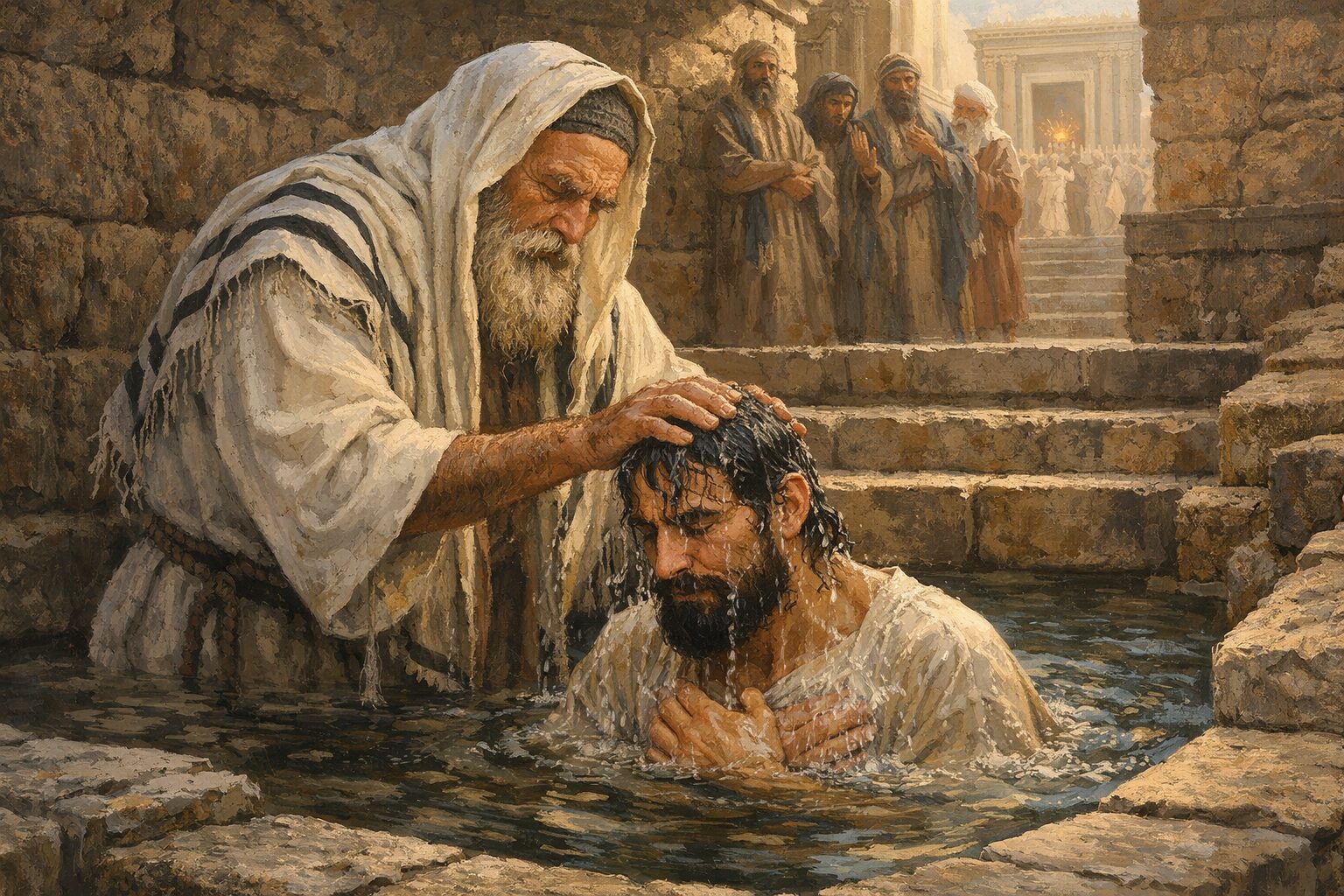
Immersion: Entering the Life of a Disciple For many believers, baptism is treated as a symbolic milestone—important, but optional, and often disconnected from daily obedience. Yet when Scripture is read in its original context, immersion is revealed as something far more weighty. It is not merely a testimony of faith but an embodied commitment to…