
Tag: covenant
-
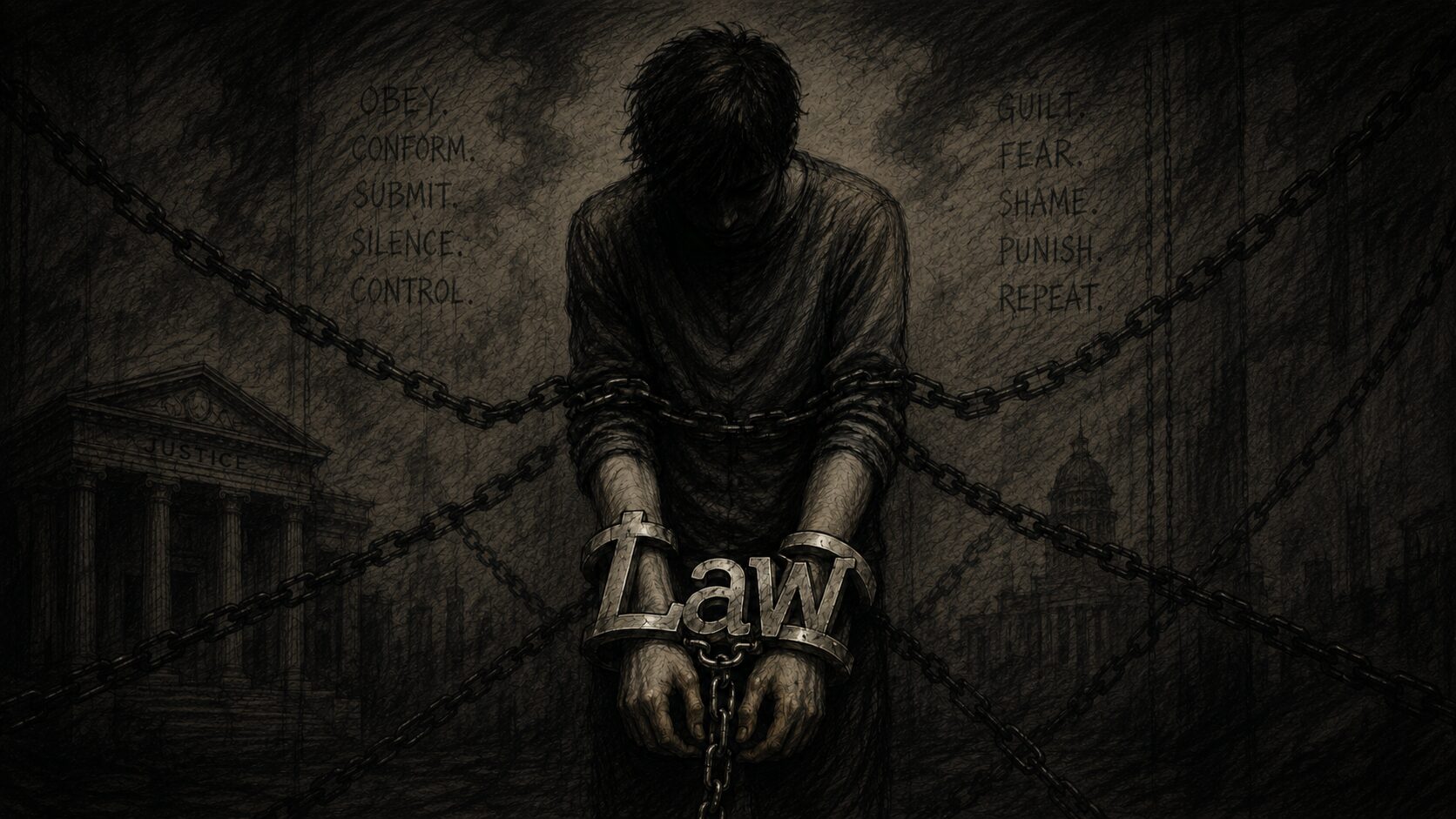
What is the Problem? The Law, or Torah, is often disregarded in modern Christian thought. Many believers assume the Torah is incomplete, harsh, legalistic, or unable to reveal God’s true heart. Some even speak as though Jesus came to save us from the Law. But if that is true, what exactly was wrong with it?…
-

Paul’s words in 2 Corinthians 3 are often misunderstood as if he were contrasting a failed Torah with a successful Messiah. But Paul is doing something far more rooted in the story of Israel. He is interpreting Exodus 32–34—the sin of the golden calf, the breaking and renewal of the covenant, and Moses’ radiant face—and…
-

Replacement theology—also called supersessionism in academic circles—is the belief that the Church has replaced Israel in God’s covenant plan. According to this view, the promises God made to the Jewish people in the Hebrew Scriptures are no longer directed toward them as a people. Instead, the Church is believed to have inherited those promises in…
-
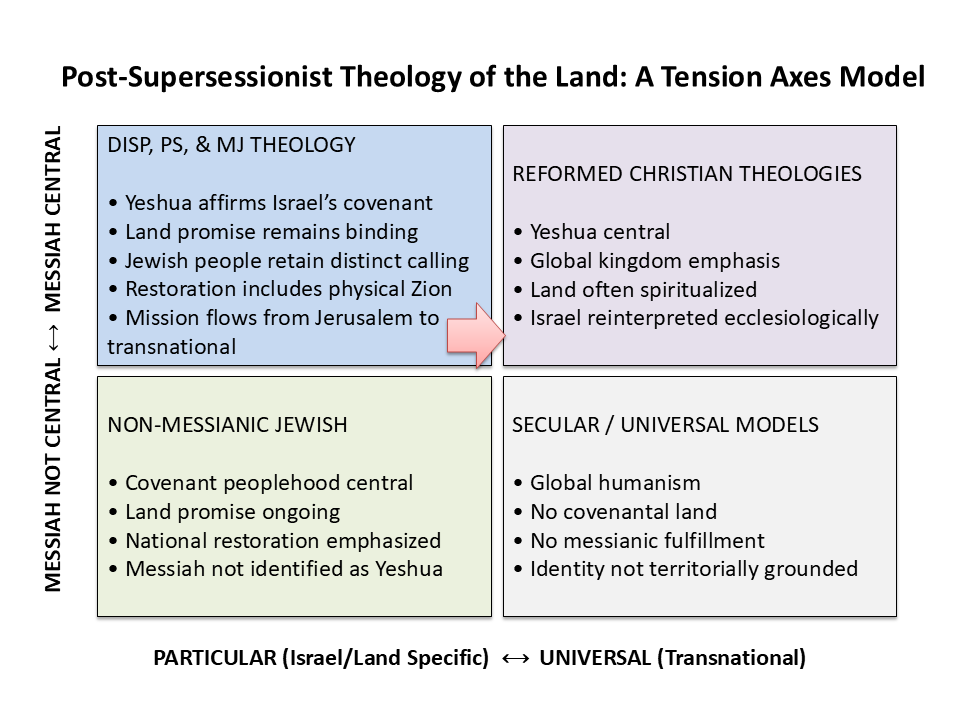
Modern Zionism means different things depending on who is speaking. It is most commonly described as a political movement focused on Jewish national sovereignty in the land of Israel. Biblical Zionism, however, is a theological conviction that God’s covenant promises to Israel—including the land—remain valid and ultimately find their fulfillment in the reign of the…
-

Few questions create more tension for believers today than this one: If I believe the Bible, do I need to support the modern State of Israel? The confusion usually comes from blending two different things together—biblical Zionism and modern Israeli politics. Biblical Zionism is simply the conviction that God’s covenant promises to Israel—including the land—are…
-
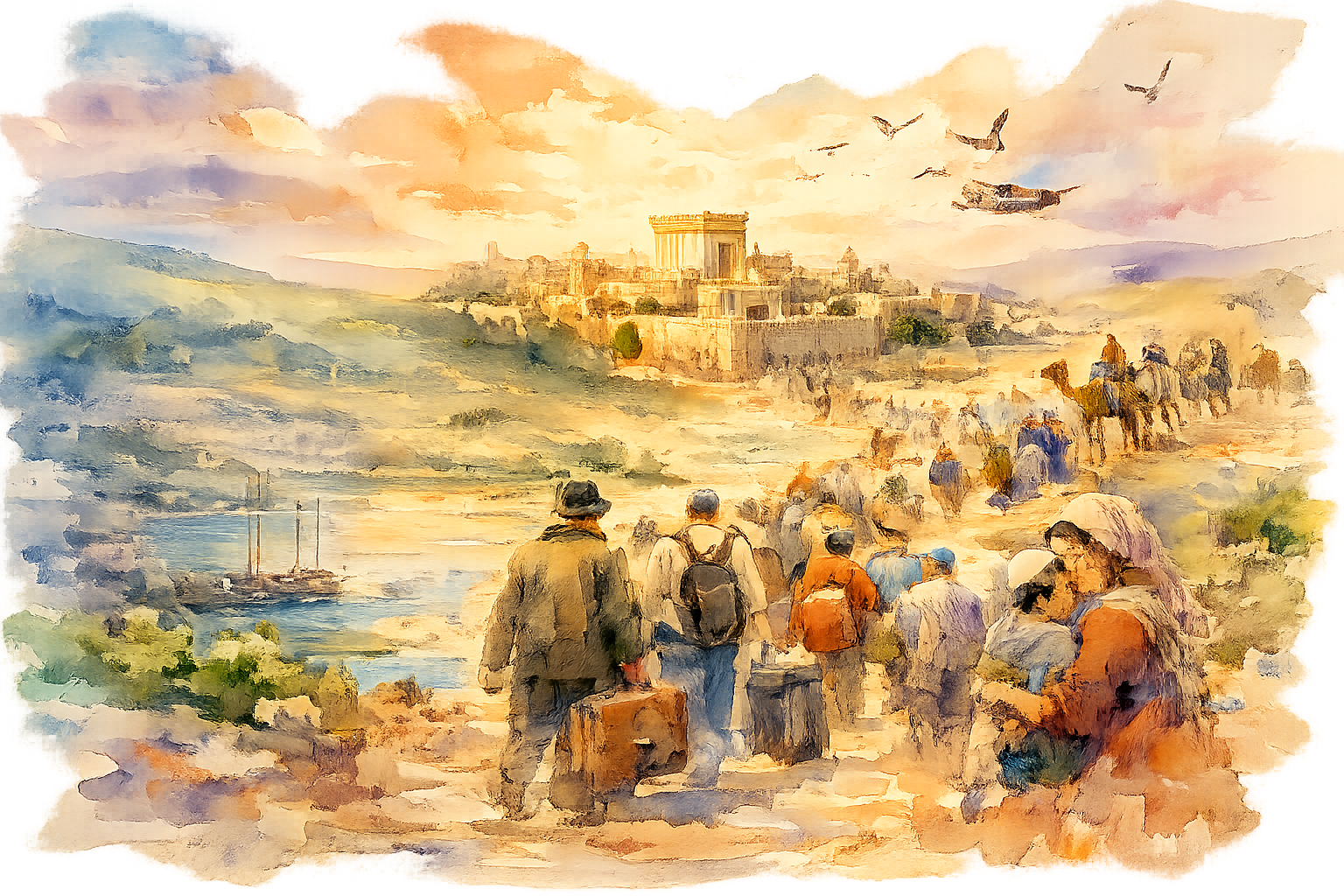
In the modern world, “Zionism” is usually understood as a political movement connected to Jewish national self-determination and the modern State of Israel. People tend to argue about it in political categories—borders, governments, parties, wars—so the word can feel like it automatically belongs to the news cycle. This post discusses “Biblical Zionism”, a term that…
-

Replacement theology proposes that the coming of Messiah resulted in the Torah becoming obsolete and that the church replaced Israel as the covenant people of God. While this interpretation became influential in later Christian theology, the biblical narrative itself contains many themes and passages that challenge this conclusion. From the Torah and the Prophets to…
-
Scriptures Often Used to Argue That the Torah or Jewish People Were Replaced Throughout church history, certain New Testament passages have been interpreted to suggest that the Torah is no longer relevant or that the Jewish people have lost their covenantal role in God’s purposes. The following verses and themes are often treated as foundational…
-

The Twentieth Century and the Reopening of a Closed Door¹ For nearly seventeen centuries, Jewish faith in Yeshua existed under severe constraint. The structures established in late antiquity made it virtually impossible for a Jew to confess Yeshua without abandoning Jewish identity, community, and practice (Parting of The Ways). Against that long history, the twentieth…
-
Did Jesus Abolish the Torah? What “Abolish” and “Fulfill” Really Mean in Matthew 5 Few passages have shaped Christian theology more profoundly—and more problematically—than Matthew 5:17–19. In just three verses, Yeshua addresses the Torah, the Prophets, the future of God’s commandments, and the responsibility of teachers. How these words are understood determines whether the Hebrew…