
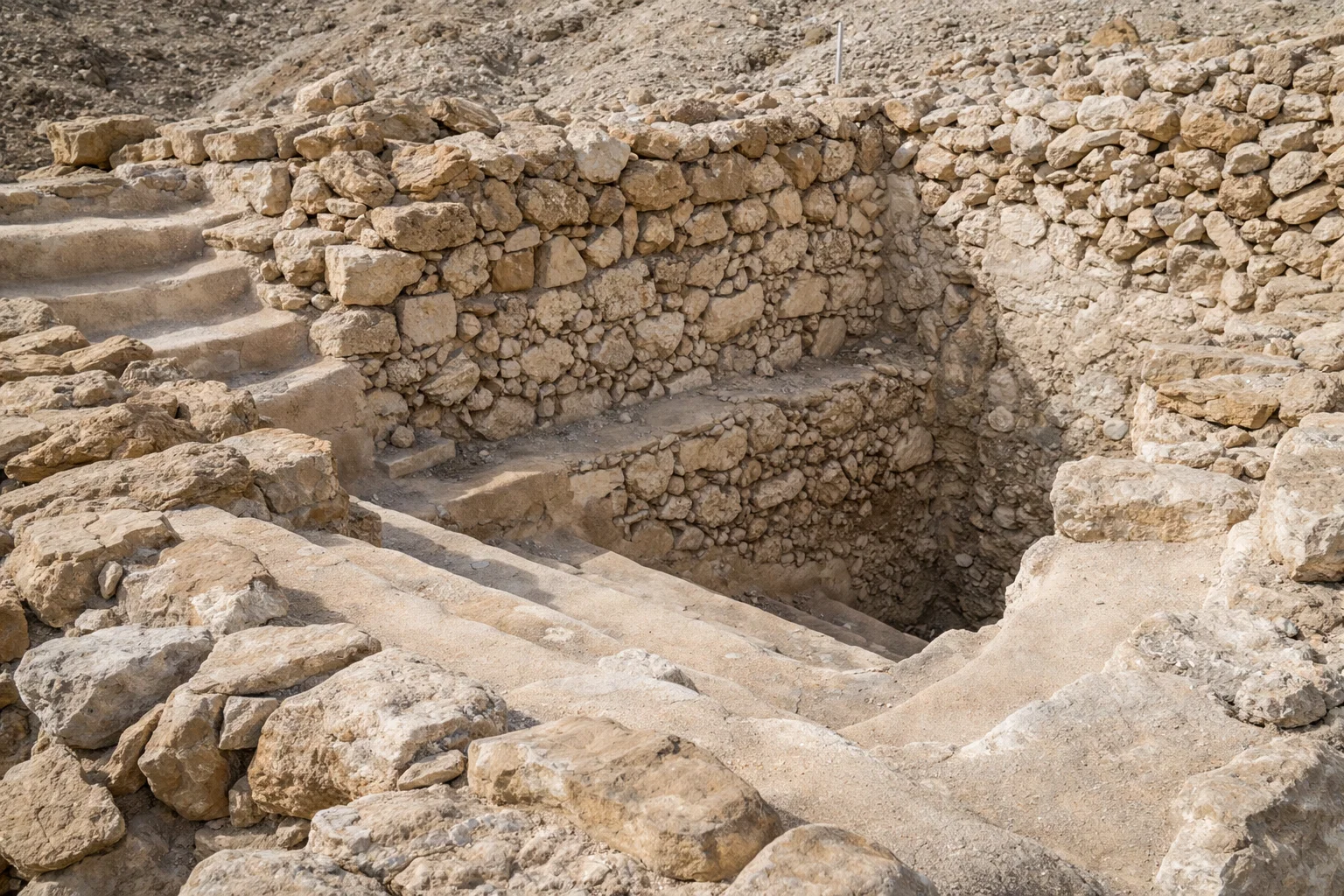
Jesus and Ritual Purity: Life Near God, Not a Language of Sin
One of the most common misunderstandings many Gentile believers inherit when reading the Gospels is the idea that ritual purity equals moral sin. When we hear words like unclean or see Jesus touching lepers, corpses, or interacting with those considered impure, we often assume He is deliberately breaking God’s law to show that the law itself no longer matters. But that assumption does not come from the Scriptures themselves, It comes from reading the Bible outside of its Jewish world.
In the Torah, ritual impurity is not the same thing as sin. Sin is rebellion against God’s commandments (1 John 3:4). Ritual impurity, on the other hand, is a normal, unavoidable condition of embodied human life. Childbirth (Leviticus 12:1–8), marital intimacy (Leviticus 15:18), menstruation (Leviticus 15:19–24), skin disease (Leviticus 13), and contact with death (Numbers 19:11–13) all render a person ritually impure without implying guilt, shame, or moral failure. If impurity were sin, then God Himself would be commanding people to sin simply by being human.
The purpose of ritual purity laws was not to keep people away from God forever, but to regulate access to God’s sacred space. The tabernacle and later the Temple were physical locations where the holy God chose to dwell among Israel (Exodus 25:8). Because God is holy, approaching His dwelling required preparation. Ritual washing, waiting periods, and offerings were acts of restoration, not punishment. “Who shall ascend the hill of the LORD?” asks Psalm 24:3–4. The answer is not sinless perfection, but ordered nearness shaped by obedience and humility.
When we meet Jesus in the Gospels, we meet Him fully inside this world. He is called Rabbi (John 1:38; Mark 9:5). He teaches Torah (Matthew 5:17–19). He participates in Temple life (Luke 2:22–24; John 7:10). His disputes with the Pharisees are not arguments over whether the law still matters, but how the law (תּוֹרָה (tôrāh)) should be rightly understood and lived (Matthew 23:23). This context is essential for understanding His relationship to ritual purity .
The same pattern appears when Jesus touches a leper (Mark 1:40–45). Leprosy required separation from communal worship (Leviticus 13:45–46). Yet when Jesus touches the man, the leprosy leaves. What is striking is that Jesus then instructs the man to show himself to the priest and offer the sacrifices Moses commanded (Mark 1:44). If Jesus were abolishing ritual purity, this command would make no sense. Instead, He honors the Torah’s process of restoration and reintegration.
Even Jesus’ strongest words about purity are often misunderstood. In Mark 7:1–23, Jesus challenges traditions about handwashing, not the Torah itself. The issue is not hygiene or purity laws but elevating human tradition above God’s commandments (Isaiah 29:13). When Jesus says that what comes out of a person defiles them, He is speaking about moral impurity—evil thoughts, sexual immorality, pride—not ritual states connected to Temple access. The categories are different, and Jesus treats them as such.
For Gentile disciples, this matters deeply. When we collapse ritual impurity into sin, we distort both the Torah and the ministry of Jesus. We turn God’s gracious system of restoration into a burden it was never meant to be. Worse, we risk portraying Jesus as opposed to the very Scriptures He embodied (John 1:14; Psalm 40:7–8). But when we allow ritual purity to be what it is—a gracious means of maintaining life with a holy God—we begin to see Jesus more clearly.
Jesus does not rescue humanity from “too much Torah.” He reveals God’s heart within it. He meets people in their impurity, not to shame them, but to restore them. He does not cancel God’s desire to dwell among His people; He fulfills it by making that dwelling portable, personal, and ultimately redemptive (John 2:19–21; Revelation 21:3).
Understanding ritual purity this way frees Gentile believers from unnecessary guilt and shallow readings of Scripture. It teaches us that God is not afraid of human weakness, bodies, or brokenness. He simply invites us to come near in the way He provides. Jesus stands at the center of that invitation—not as the end of God’s holiness, but as its living expression, and the one who invites us into the spiritual temple through his own blood (Hebrews 10:19–22) for the redemption of our souls once and for all.
Leave a Reply
You must be logged in to post a comment.