
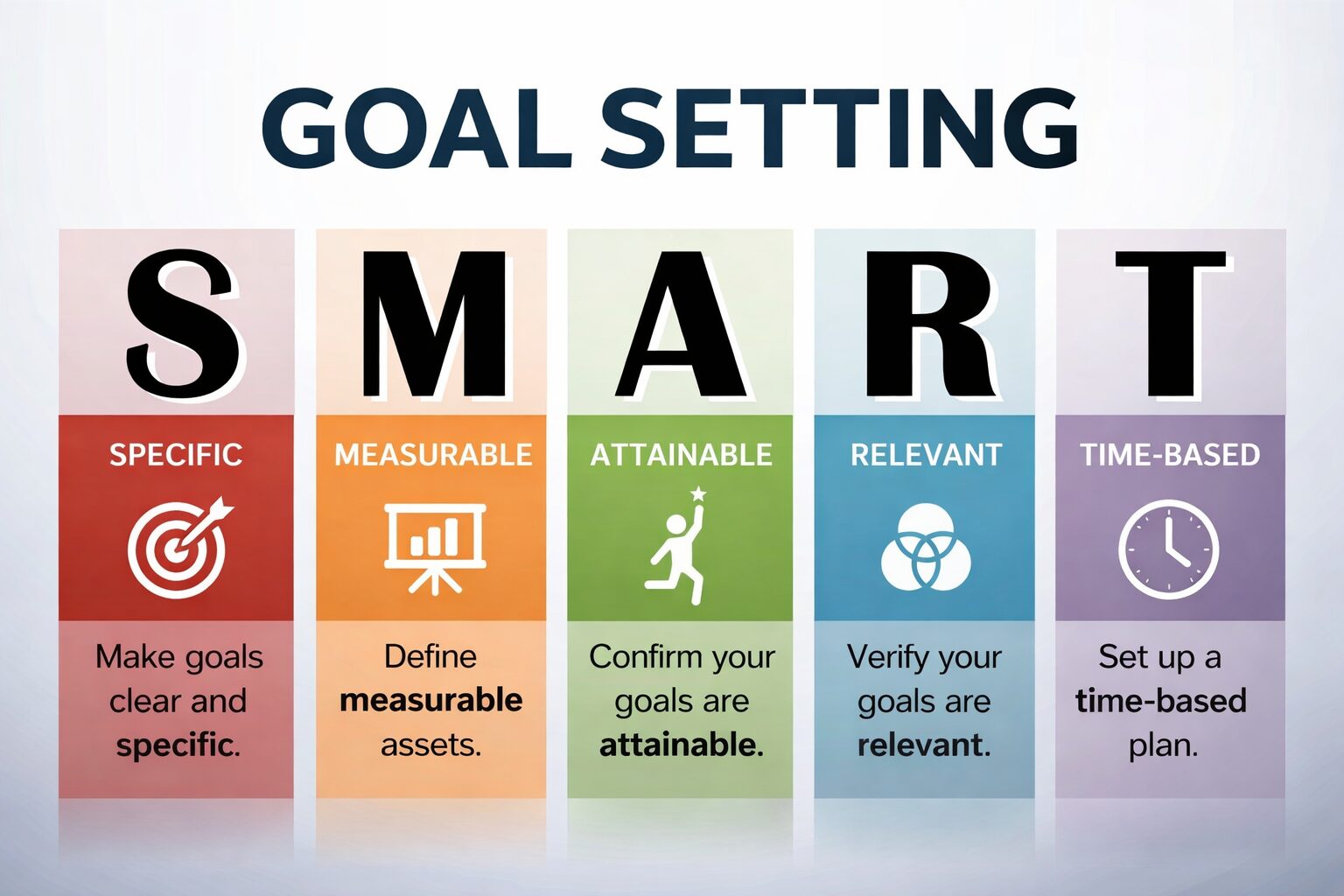
Goal setting has been one of the most quietly transformative practices in my walk with God, especially when I began thinking in seasons rather than long-term abstractions. I’ve found that setting goals every six months creates urgency without burnout. It gives enough time to pursue growth seriously while still allowing space to reevaluate, adjust, and respond honestly to where life actually is.
In every other area of life, we intuitively understand this. No one becomes a doctor, athlete, engineer, or lawyer by accident. Those paths require intention, planning, and sustained effort. The same is true spiritually. Sanctification does not happen on it’s own but in partnership with God (Phil 2:12-14, Heb 12:14). If growth in holiness were effortless, Scripture would not so often call us to diligence, discipline, and intentional living (1 Tim 4:7, Ecc 9:10, 1 Cor 9:27, Heb 12:1)
Paul captures this urgency when he writes, “Look carefully then how you walk, not as unwise but as wise, making the most of every opportunity, because the days are evil” (Ephesians 5:15–16). Wisdom pays attention to time. It chooses how life will be lived instead of drifting through it. While goal setting is not a command from God, it is a wise practice that reflects the intentionality Scripture consistently calls us toward.
One framework that has helped me is the SMART goals formatting for setting personal goals. SMART goals are specific rather than vague, measurable rather than theoretical, attainable within a real season of life, relevant to your calling and responsibilities, and time-bound so they don’t drift endlessly. Without these guardrails, goals often remain spiritual-sounding intentions that never produce real change.
This kind of clarity fits naturally with the biblical vision of discipleship. Paul compares the life of faith to athletic training, warning against running aimlessly and urging disciplined effort toward a clear goal (1 Corinthians 9:24–27). Discipleship involves direction. It requires deciding what faithfulness looks like now, not just someday.
At the same time, goal setting must remain a servant, not a savior. Goals do not earn God’s favor or replace dependence on grace. They simply help us steward our time and energy faithfully. James reminds us to plan humbly, always submitting our intentions to the will of God (James 4:15).
If you fail to plan, you don’t fail morally—but you often fail practically. Good intentions without structure rarely lead to lasting transformation. Thoughtful goals help turn desire into obedience and longing into action.
So as you consider the next season of your life, ask yourself: where is God inviting you to grow, and what would faithfulness actually look like over the next six months?
Leave a Reply
You must be logged in to post a comment.